Explore Cultural Heritage
Discover the stories behind every corner of the village
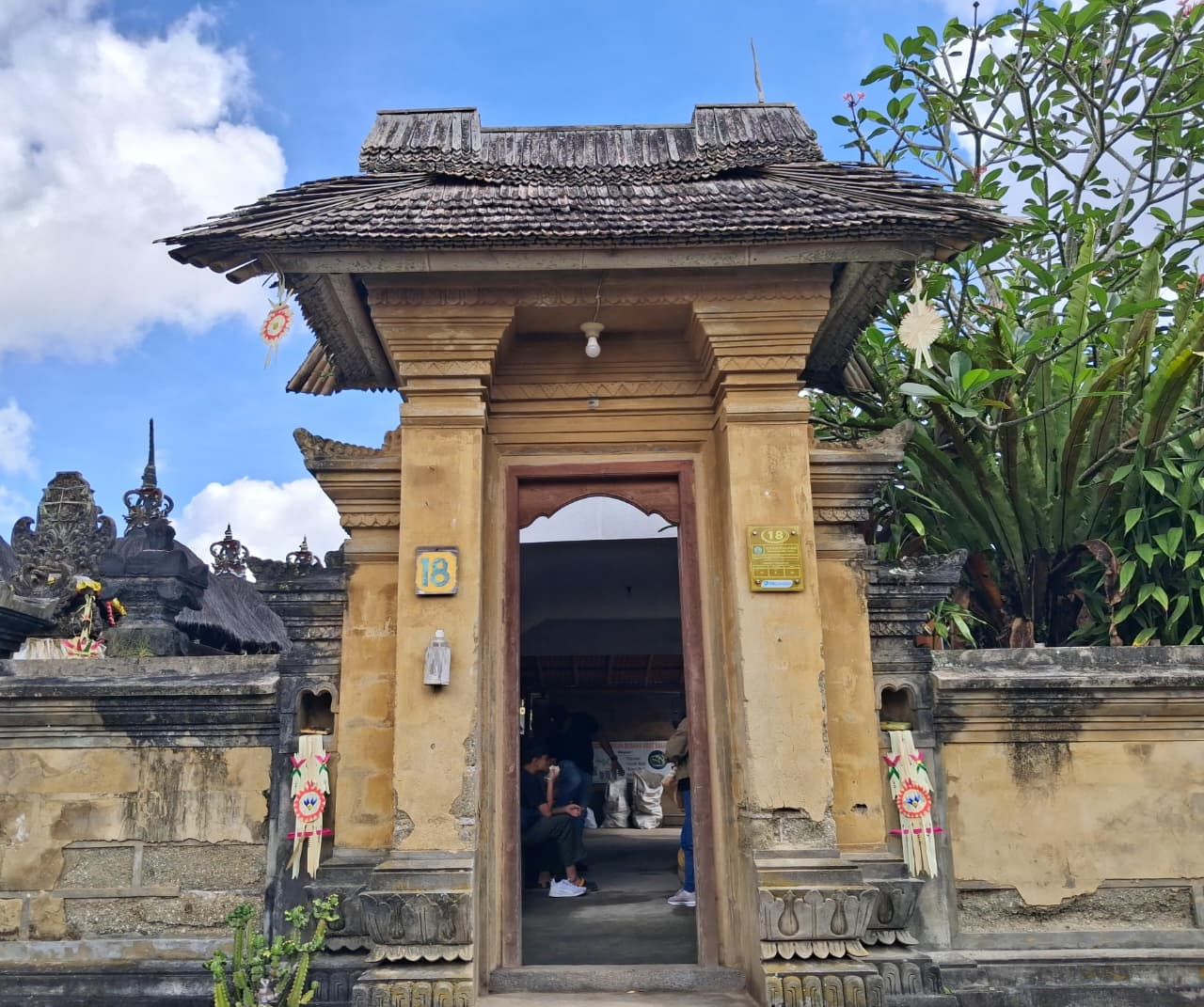
Angkul Angkul
The traditional Balinese gateway that serves as the main entrance to a residential compound
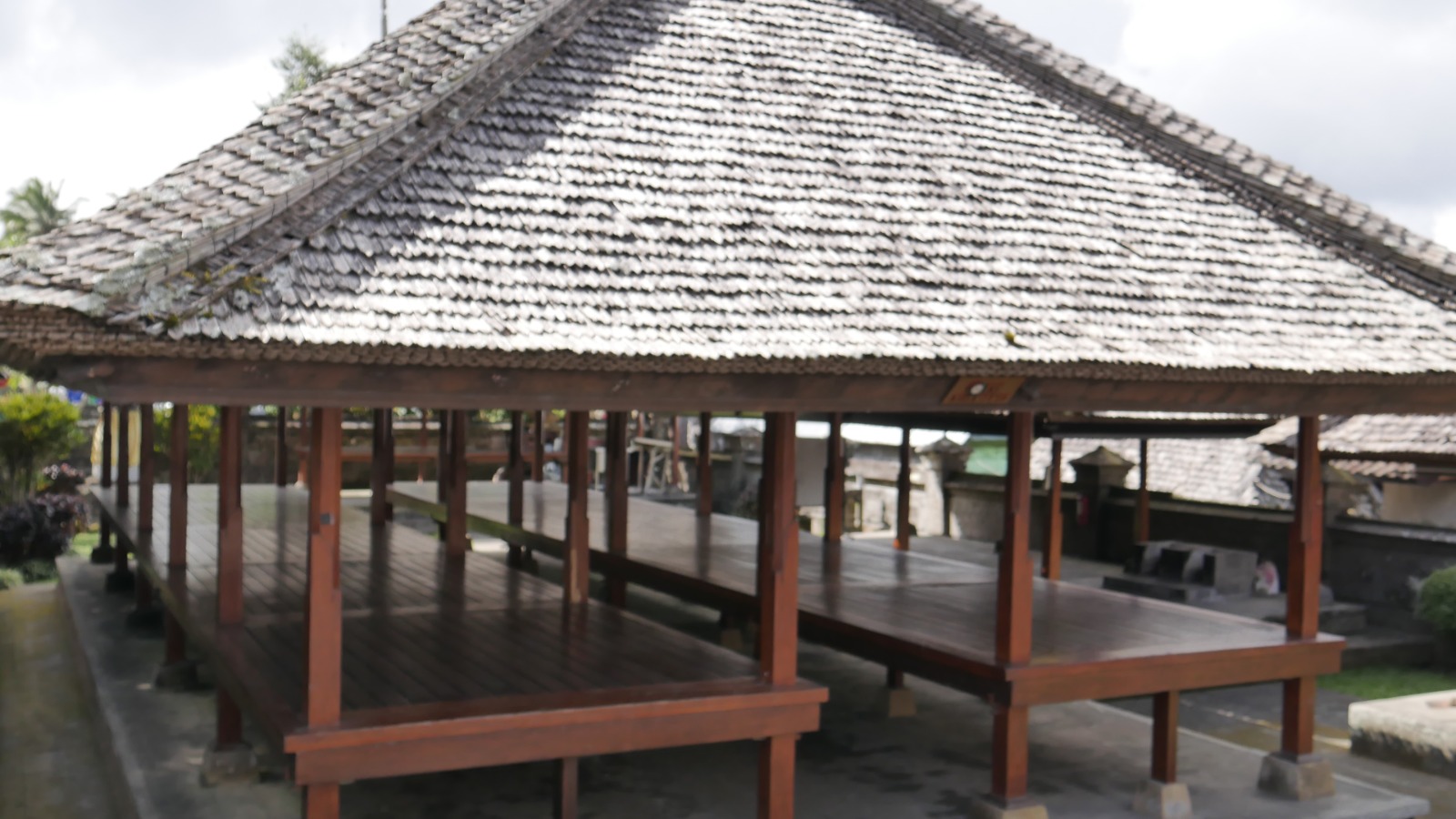
Bale Banjar
The communal hall of Penglipuran Village, serving as the center of the village’s social, cultural, and customary activities
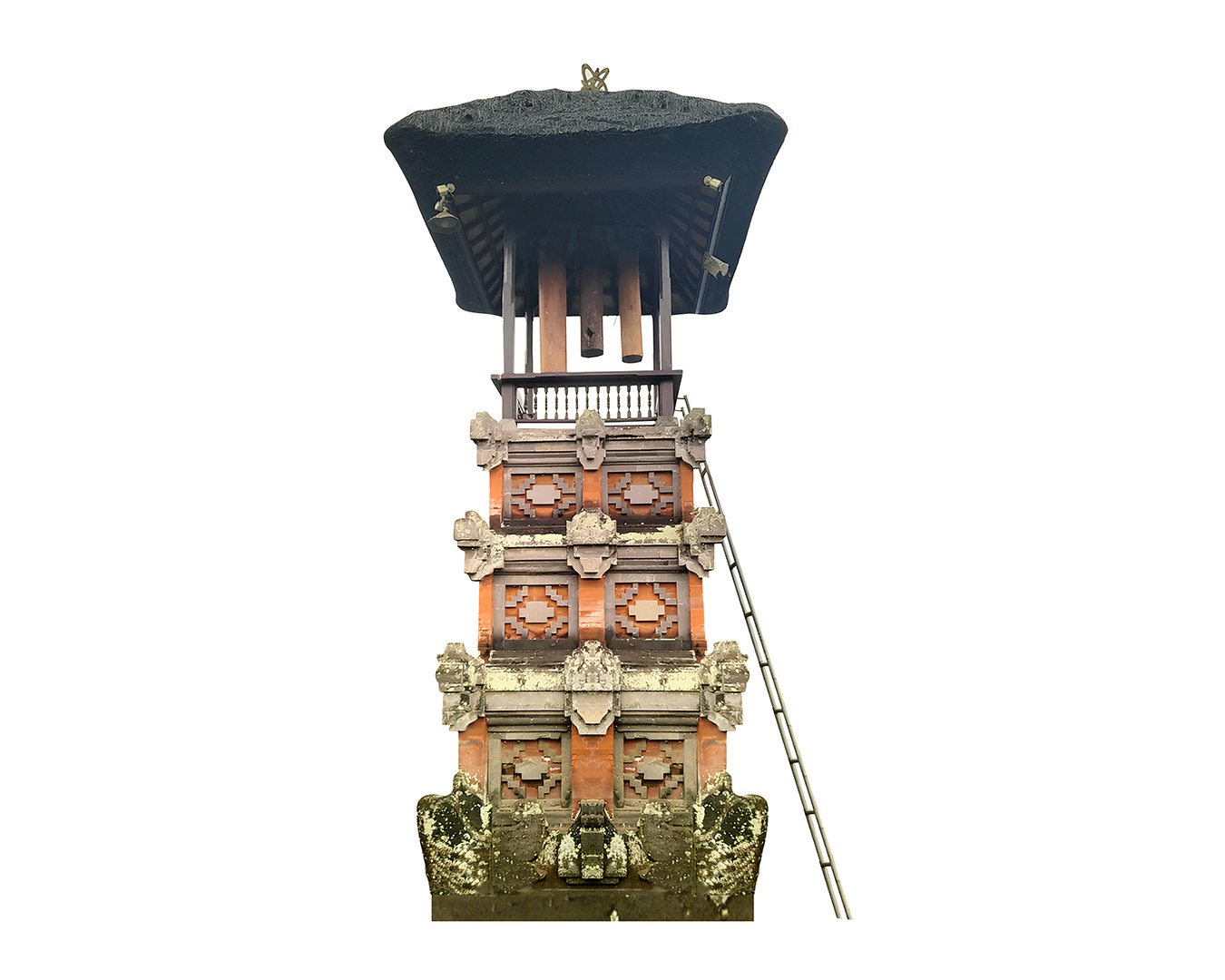
Bale Kulkul
The traditional slit-drum tower, a communication device of the customary community.
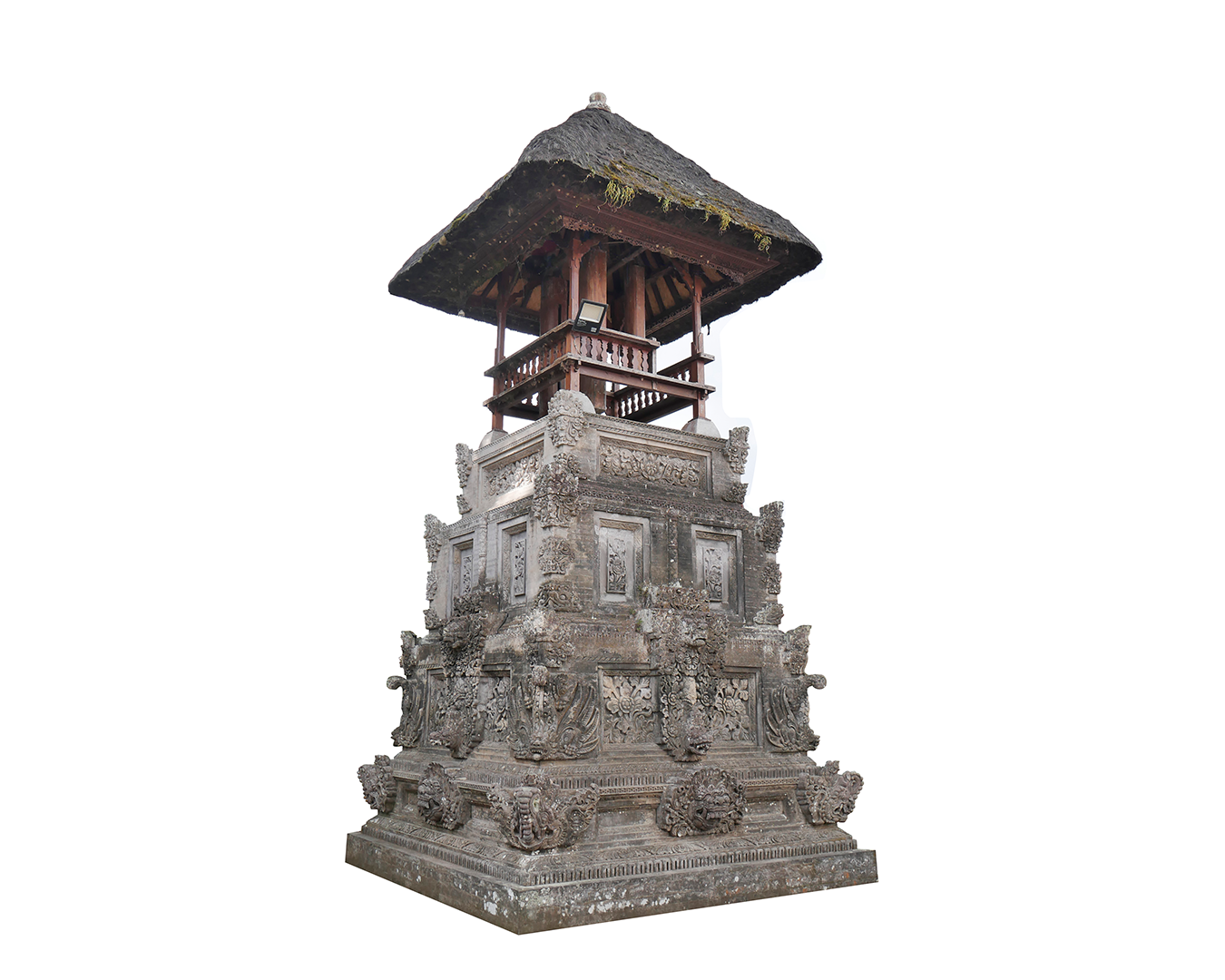
Bale Kulkul Depan Pura Penataran
Bale Kulkul Depan Pura Penataran
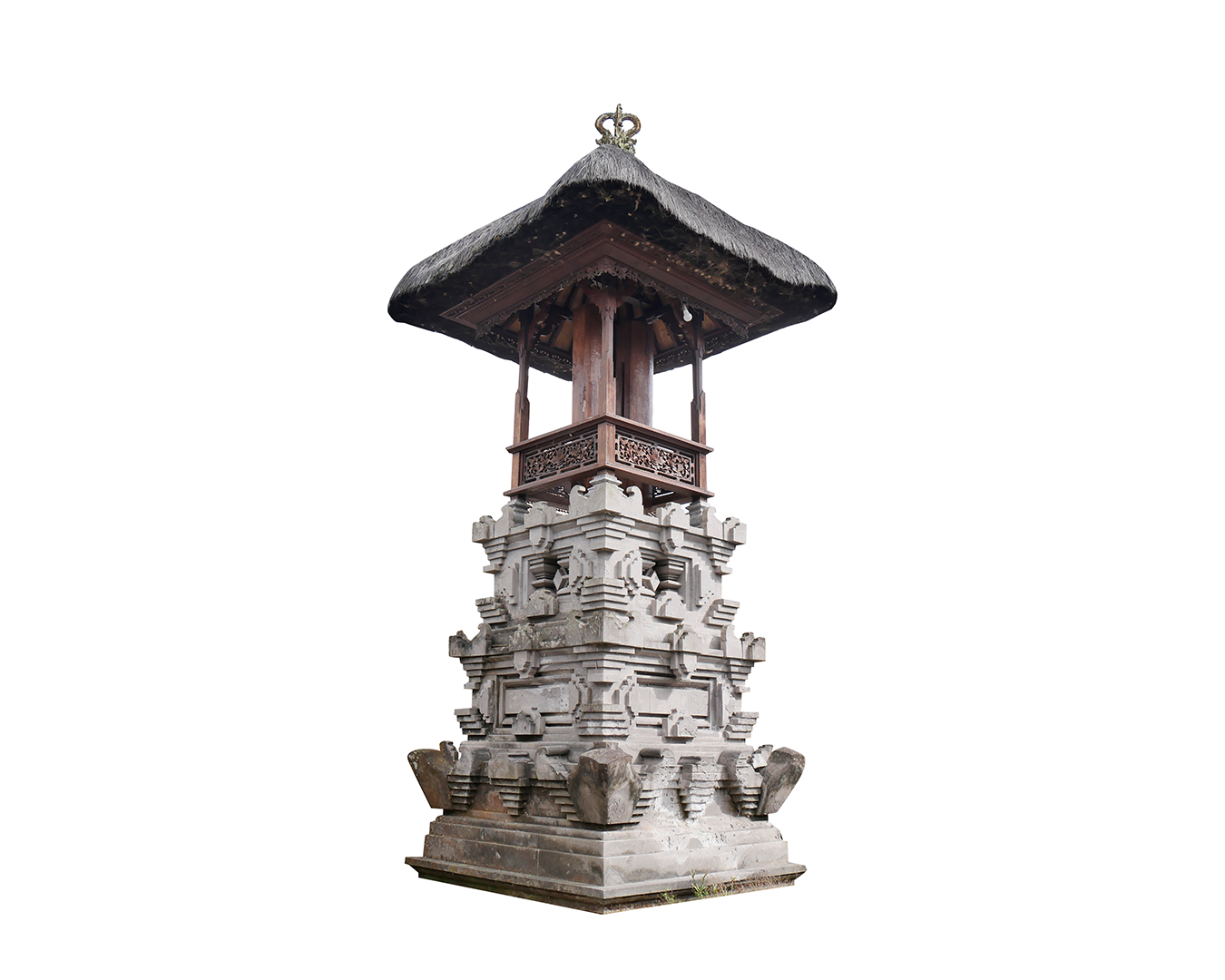
Bale Kulkul Pura Dalem Tarukan
Bale Kulkul Pura Dalem Tarukan
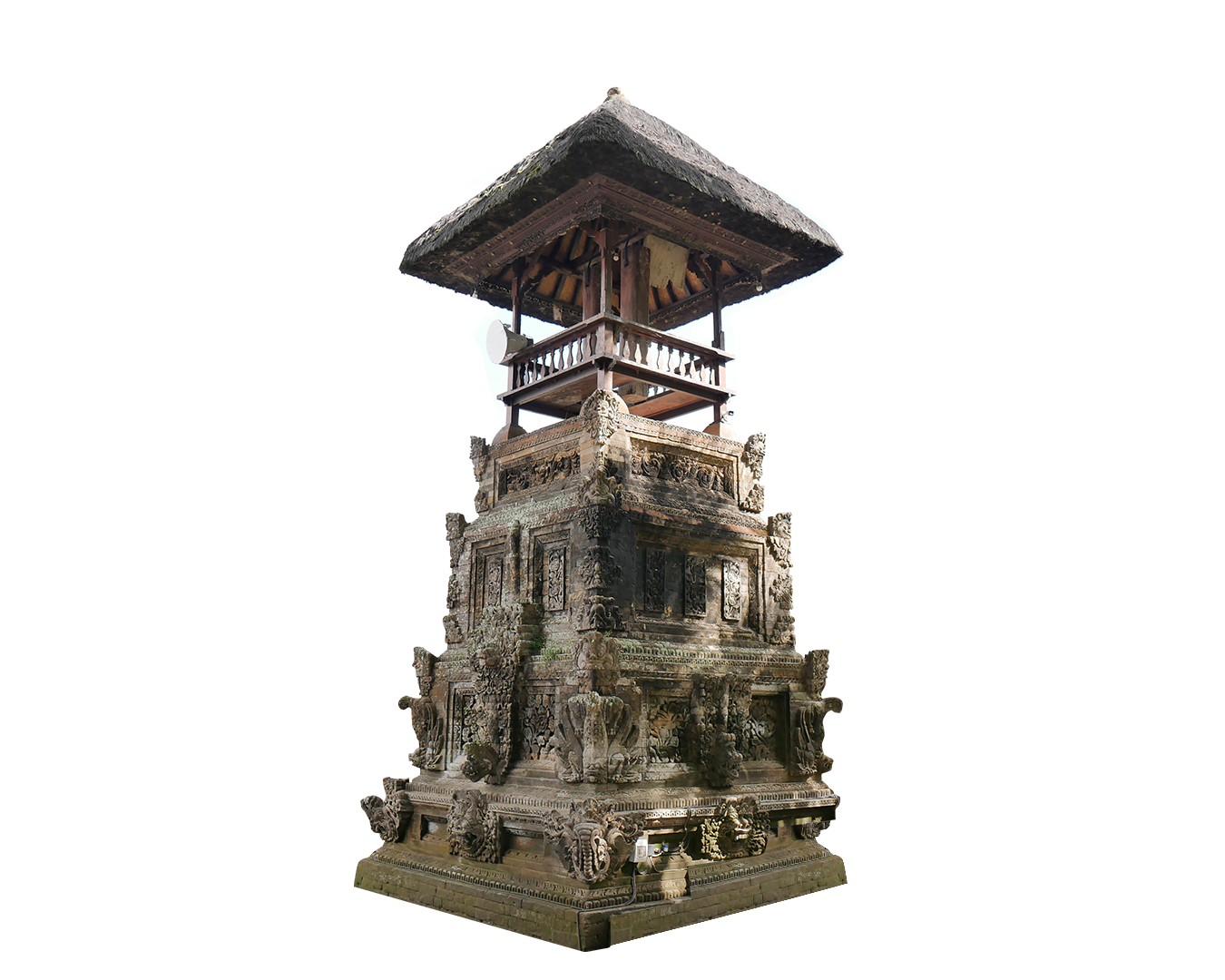
Bale Kulkul Pura Penataran
Bale Kulkul Pura Penataran
Bamboo Craft Center
The production center for Penglipuran residents' bamboo handicrafts.

Bamboo Forest
The Bamboo Forest of Penglipuran Village is one of the village’s most distinctive natural attractions and an integral part of its cultural landscape
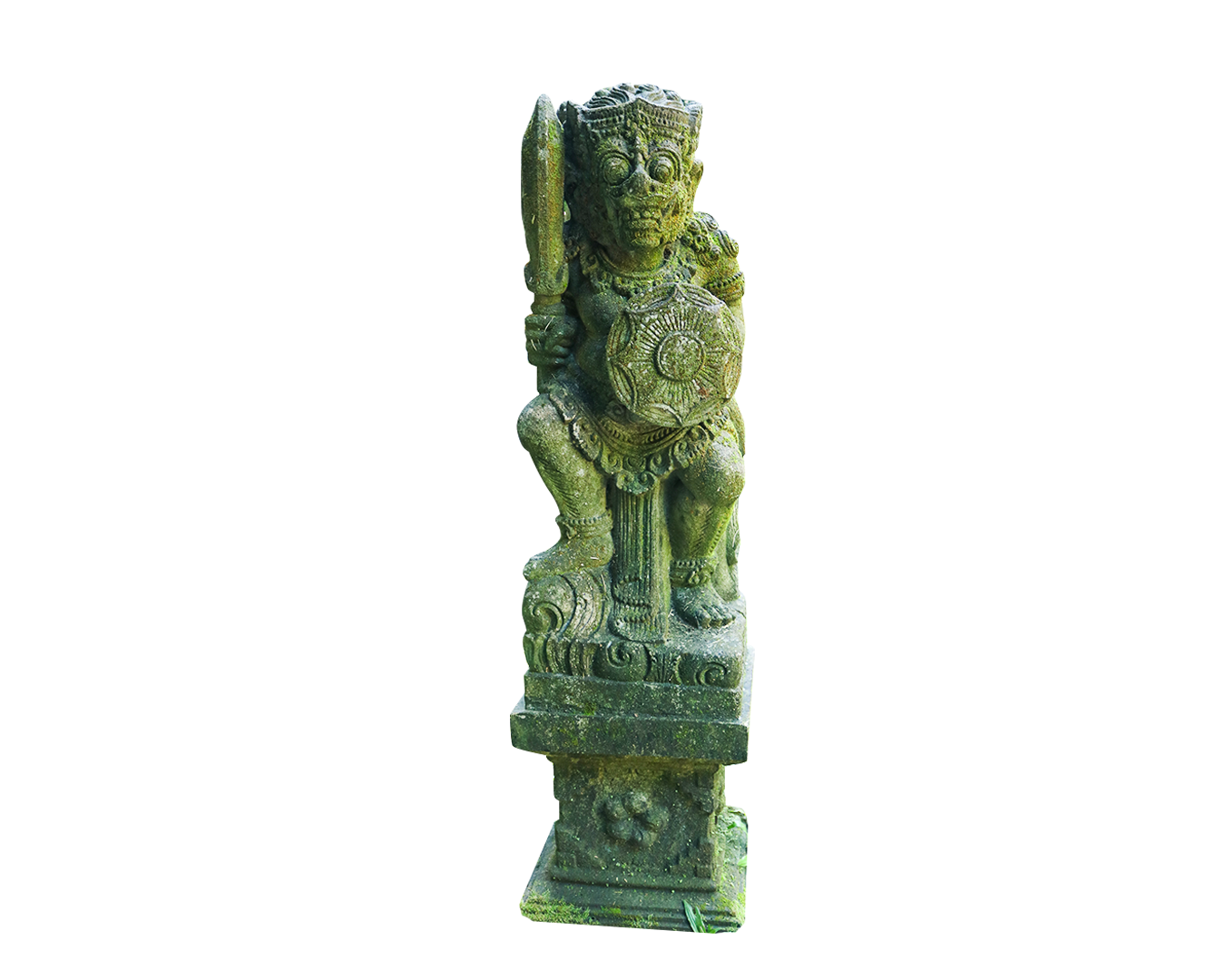
Bamboo Satue 1
Bamboo Satue 1
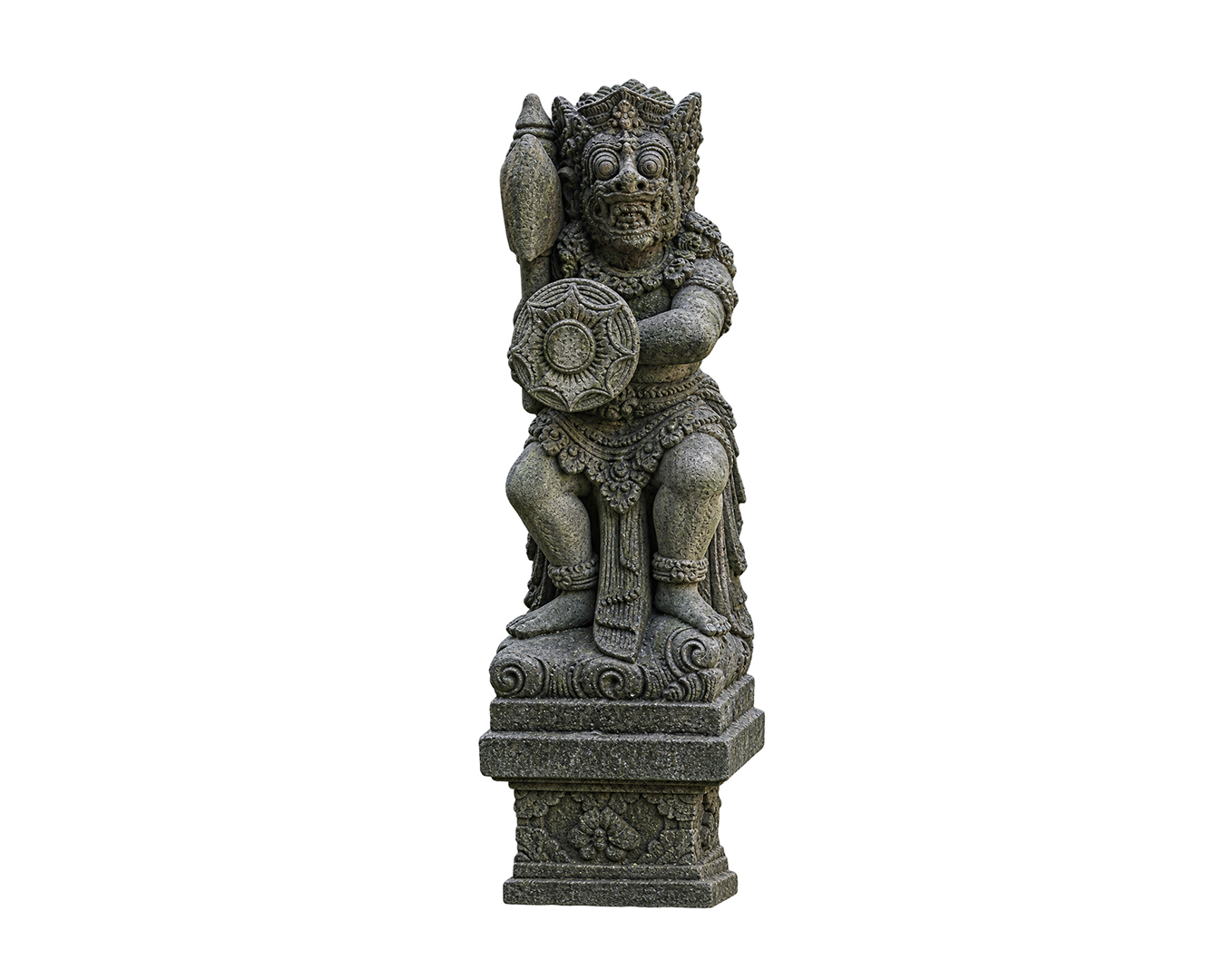
Bamboo Satue 2
Bamboo Satue 2
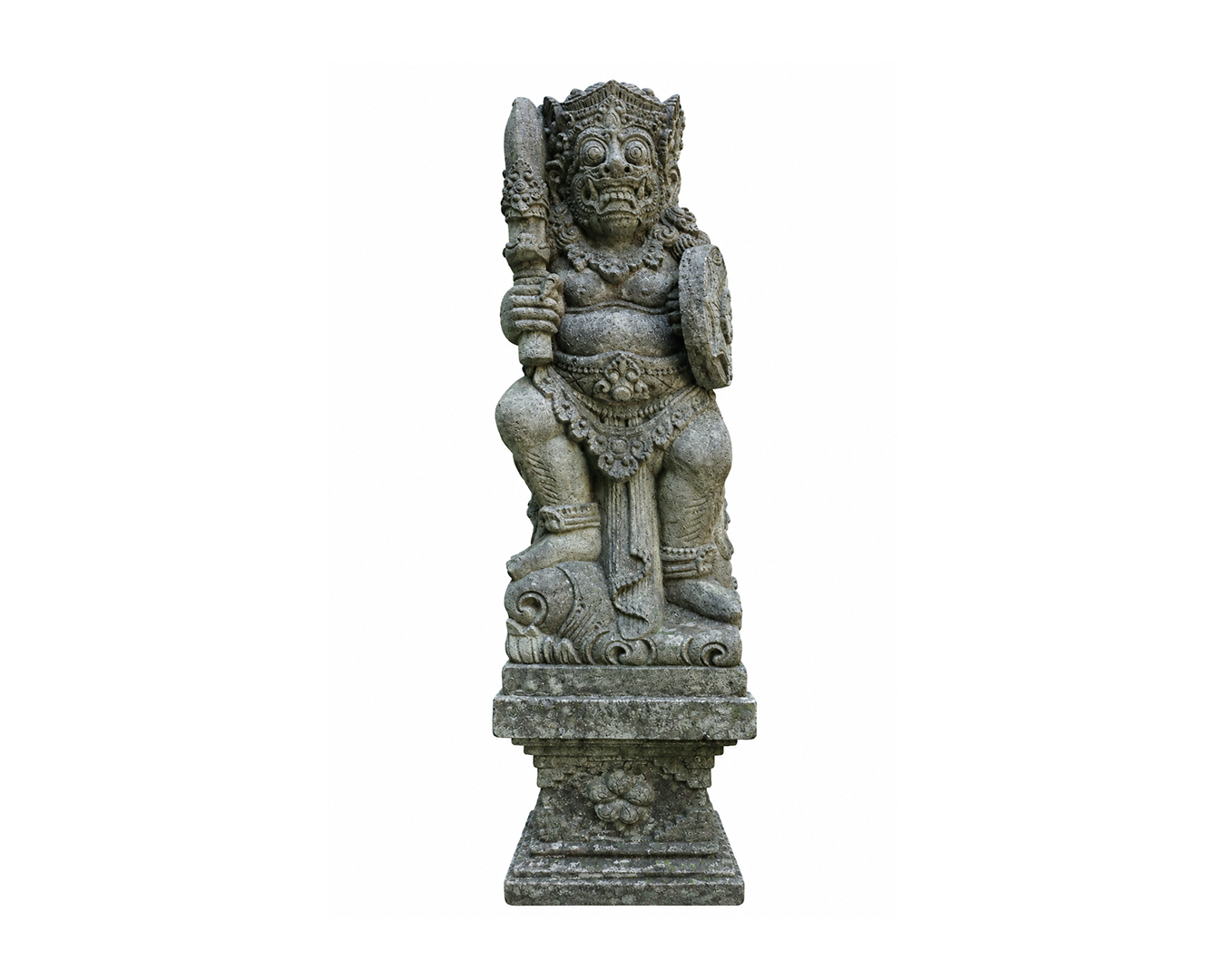
Bamboo Satue 3
Bamboo Satue 3
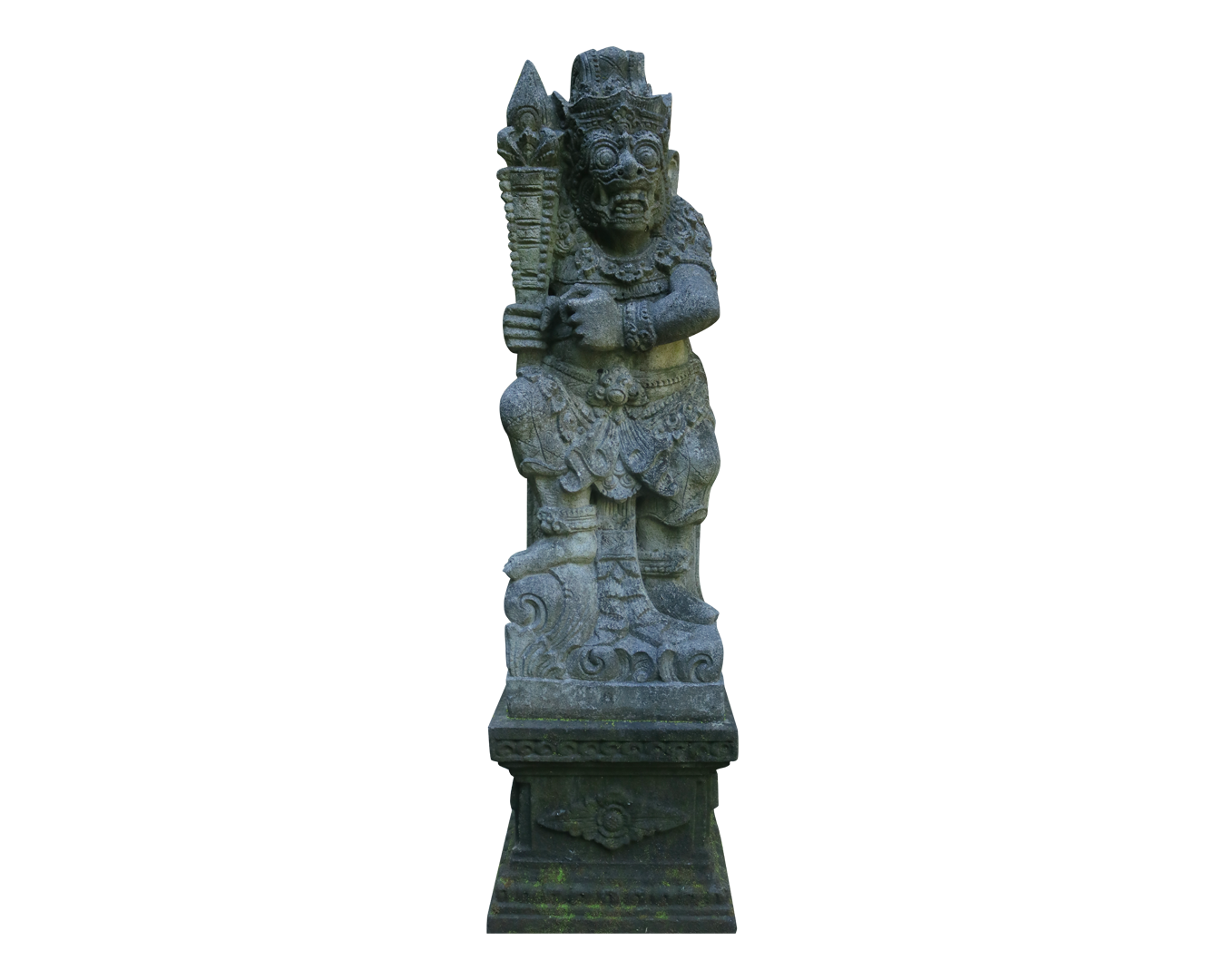
Bamboo Satue 4
Bamboo Satue 4
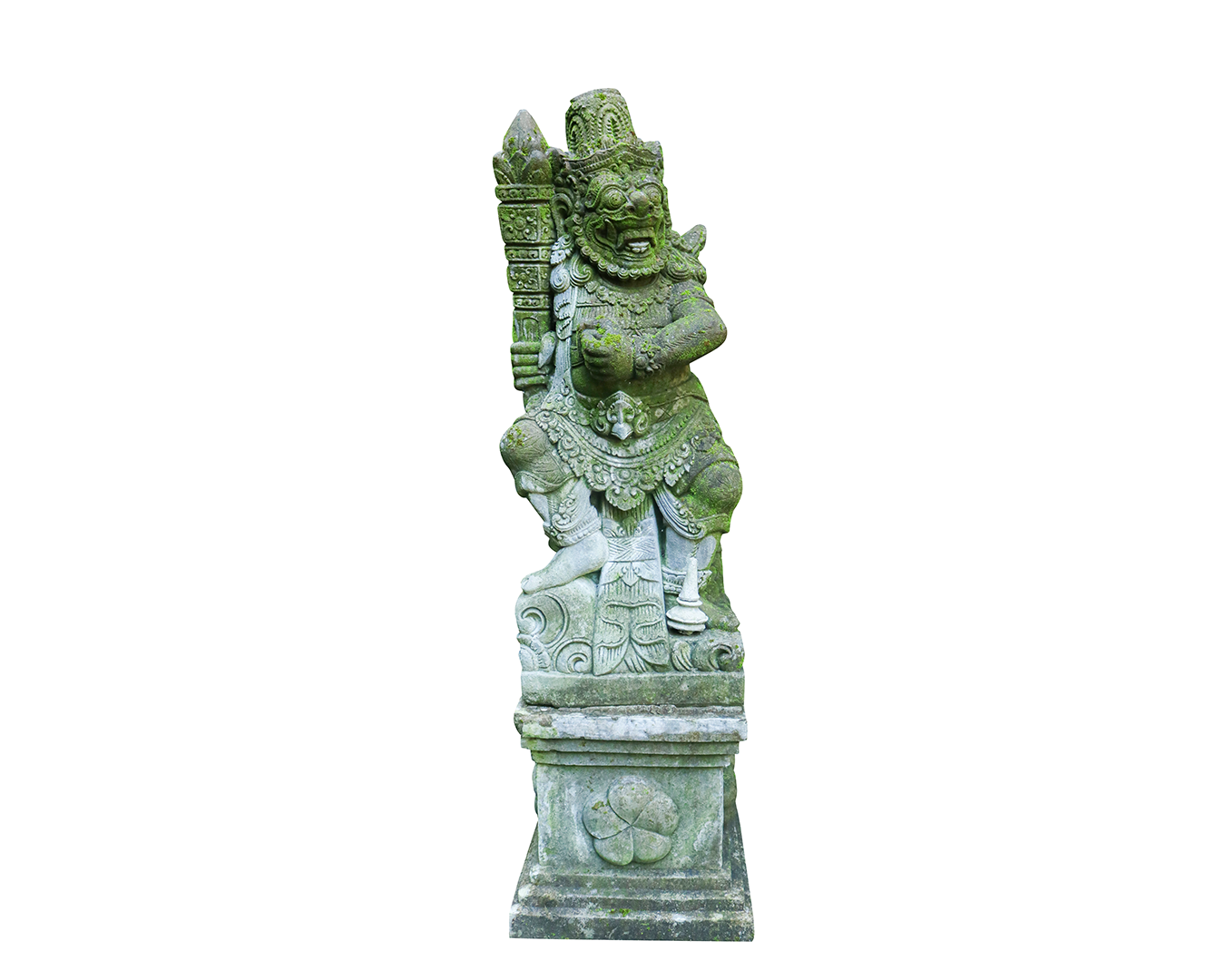
Bamboo Satue 5
Bamboo Satue 5
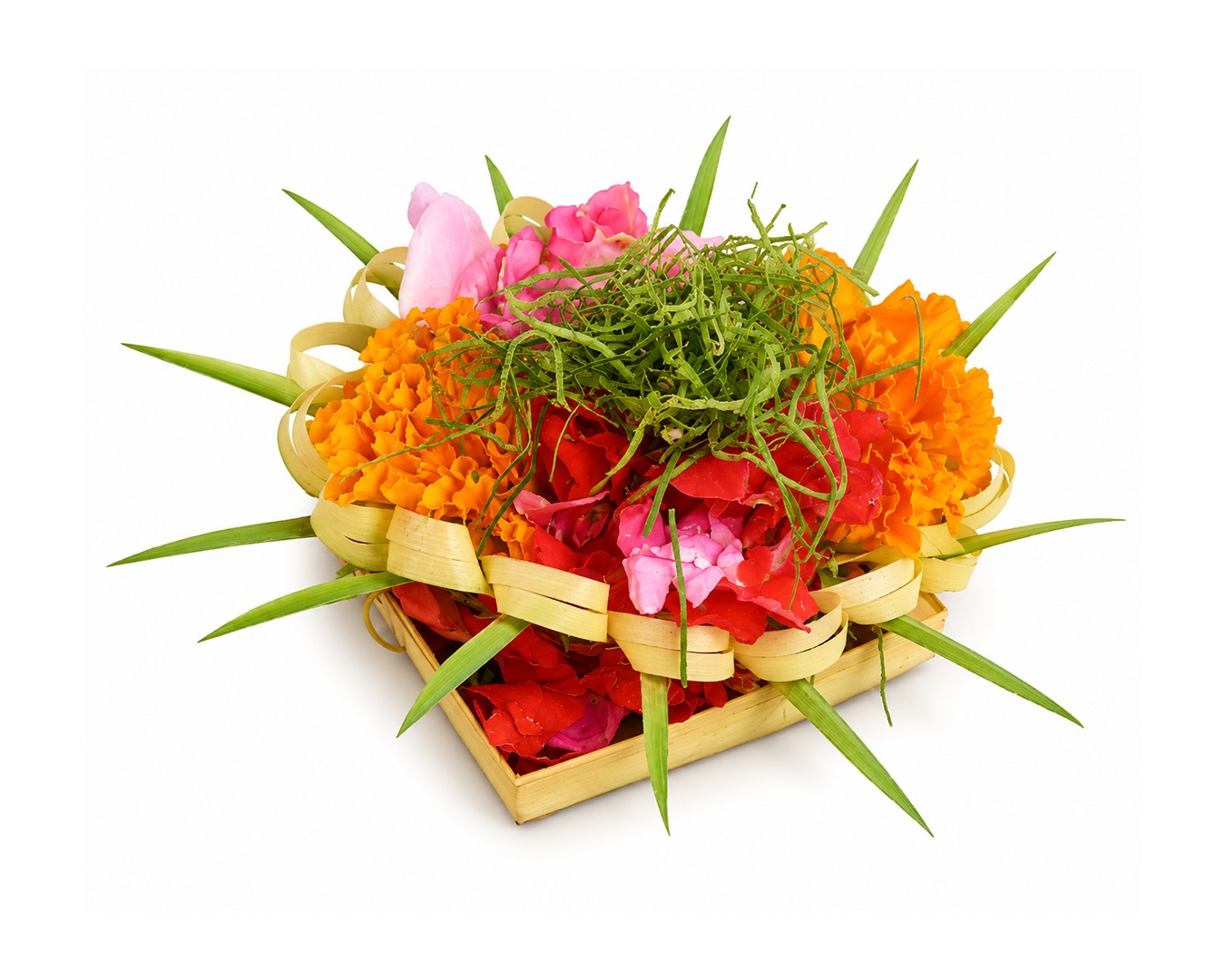
Canang Sari
Canang Sari is a traditional daily offering that plays an essential role in Balinese Hindu life, including in Penglipuran Village
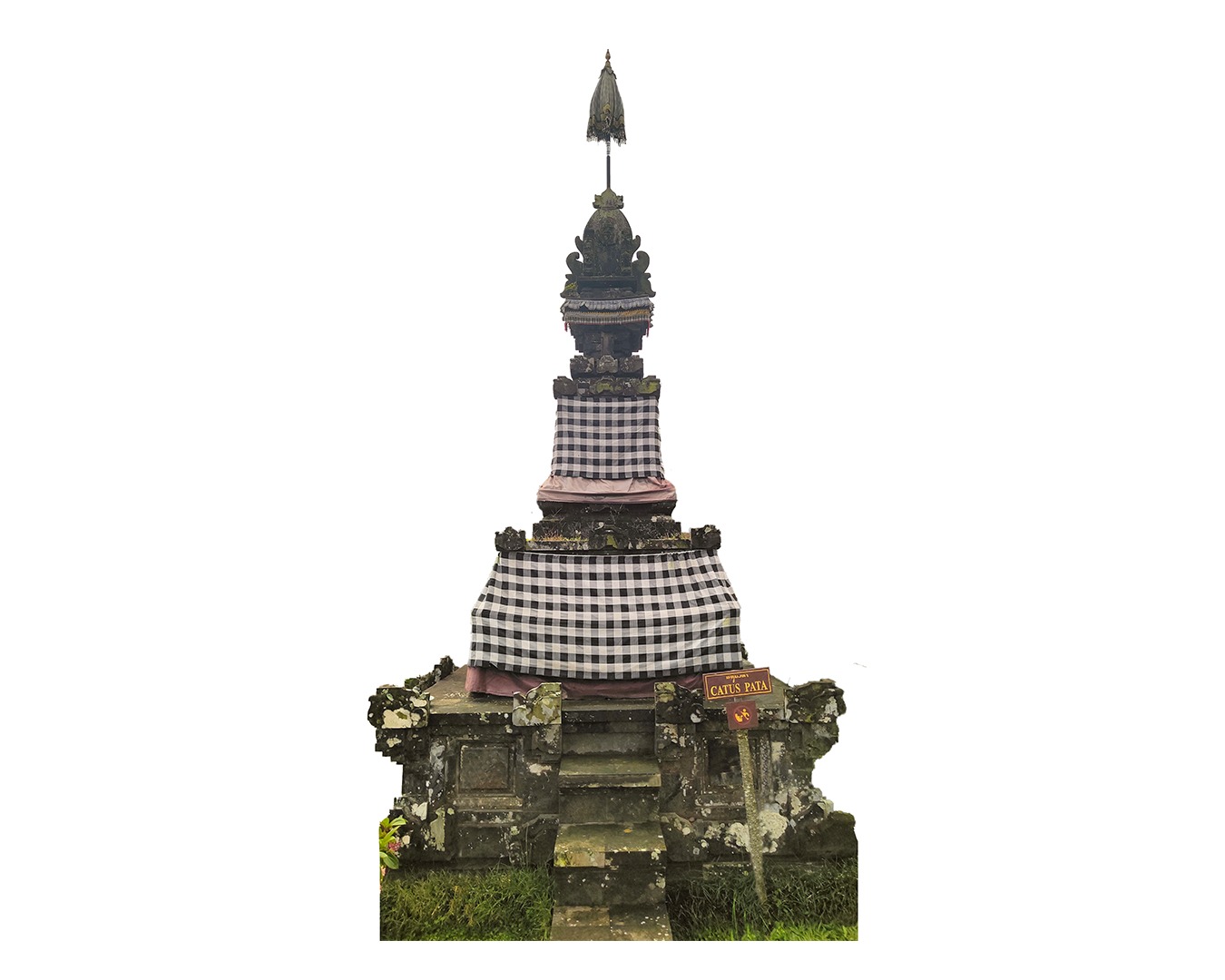
Catus Pata
Catus Pata
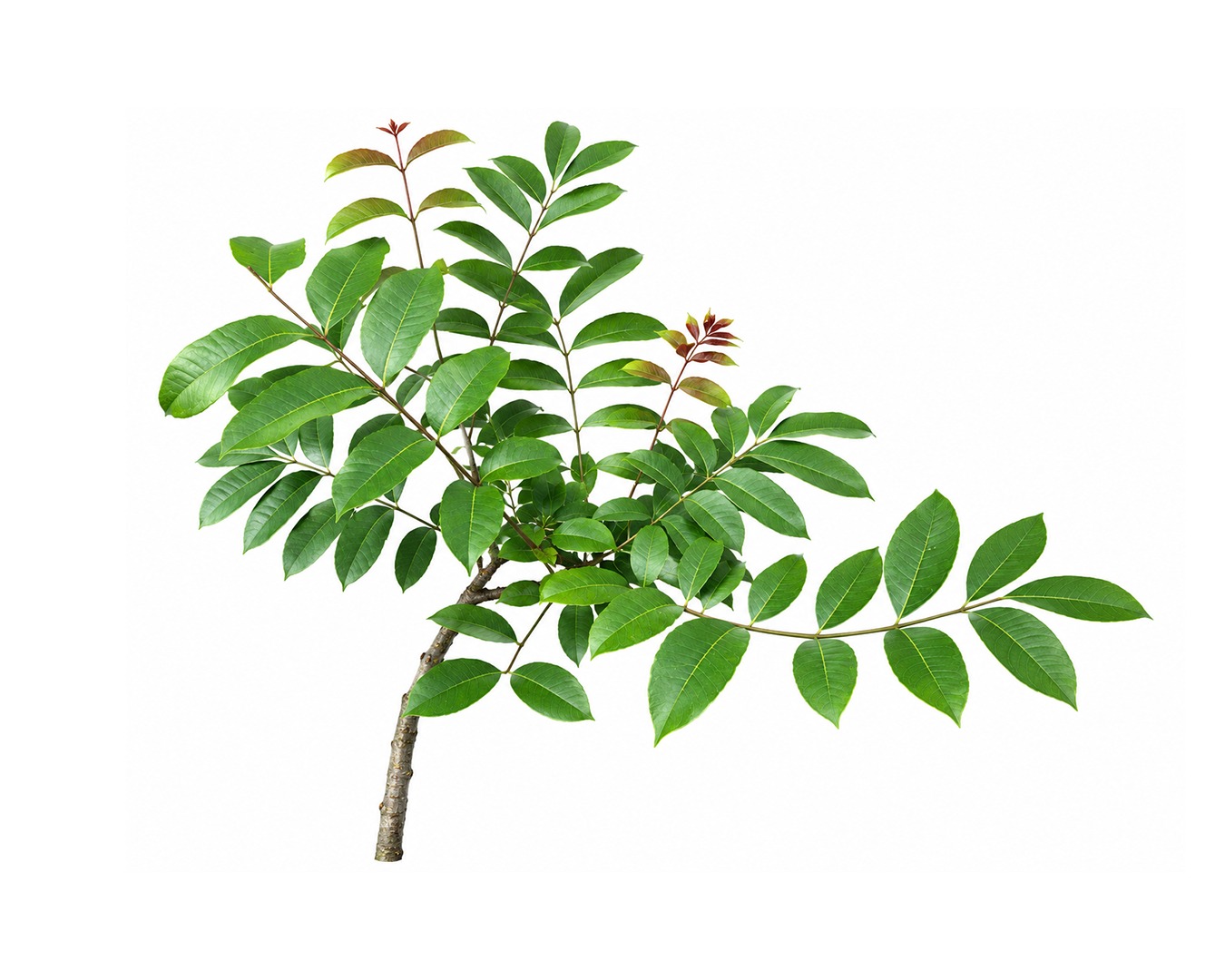
Cemcem Plant
The cemcem plant in Penglipuran Village is a distinctive species that plays a vital role in the lives of the local community, serving primarily as the key ingredient for loloh cemcem
Dadia Tarukan Temple
Test description in Indonesian
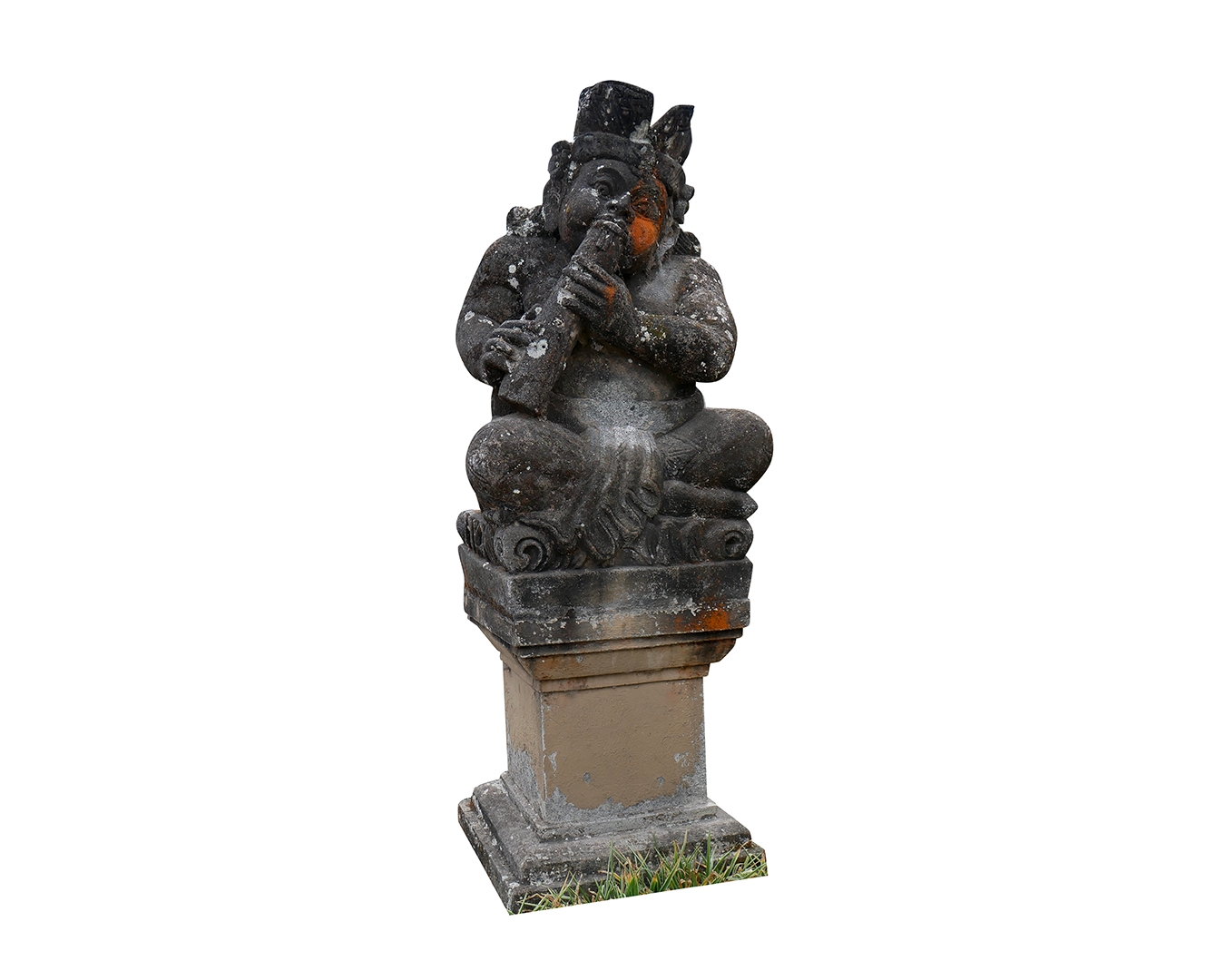
Flute Player Statue
Flute Player Statue
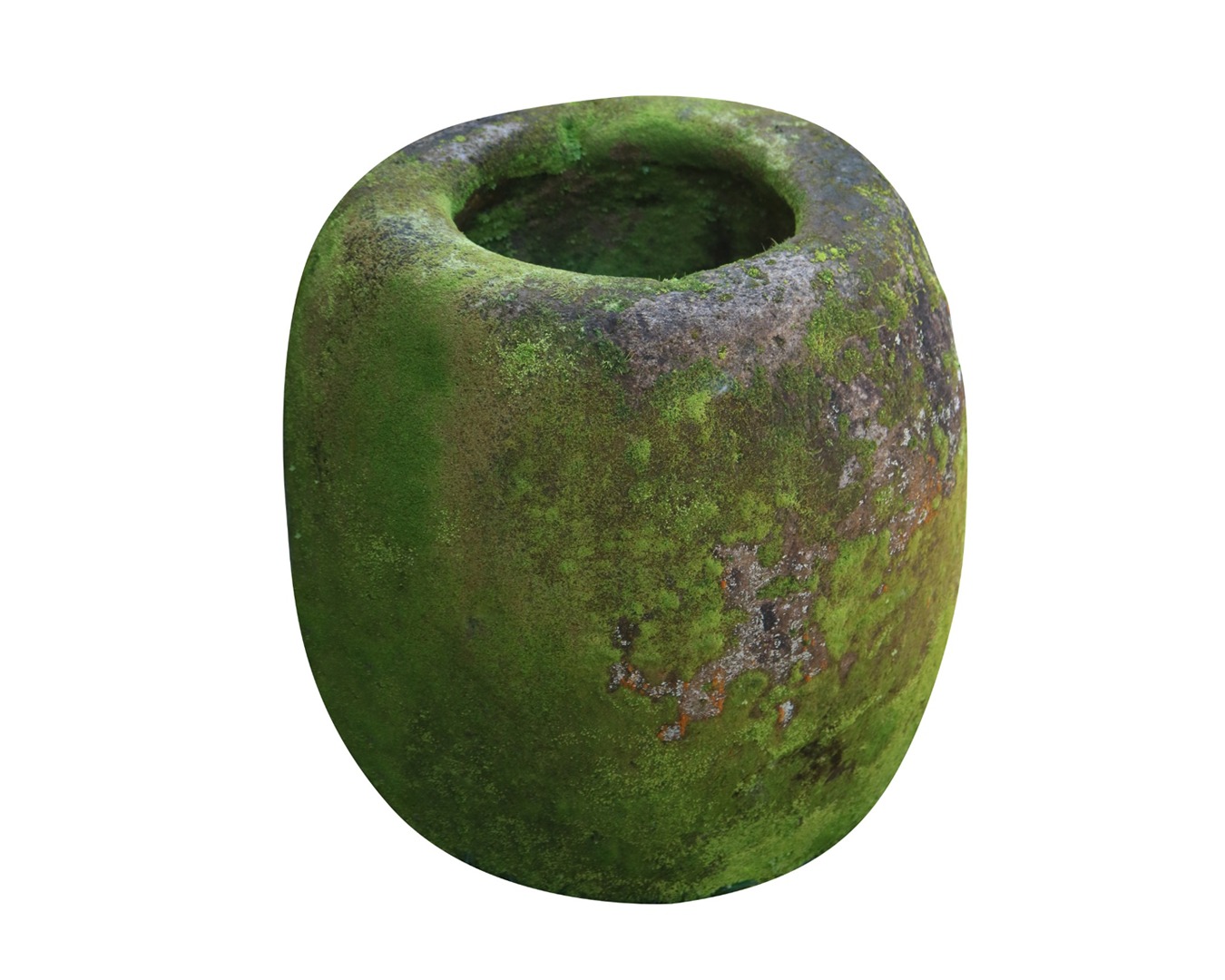
Gentong
A common feature of traditional houses in Penglipuran Village and has long been an essential part of daily life
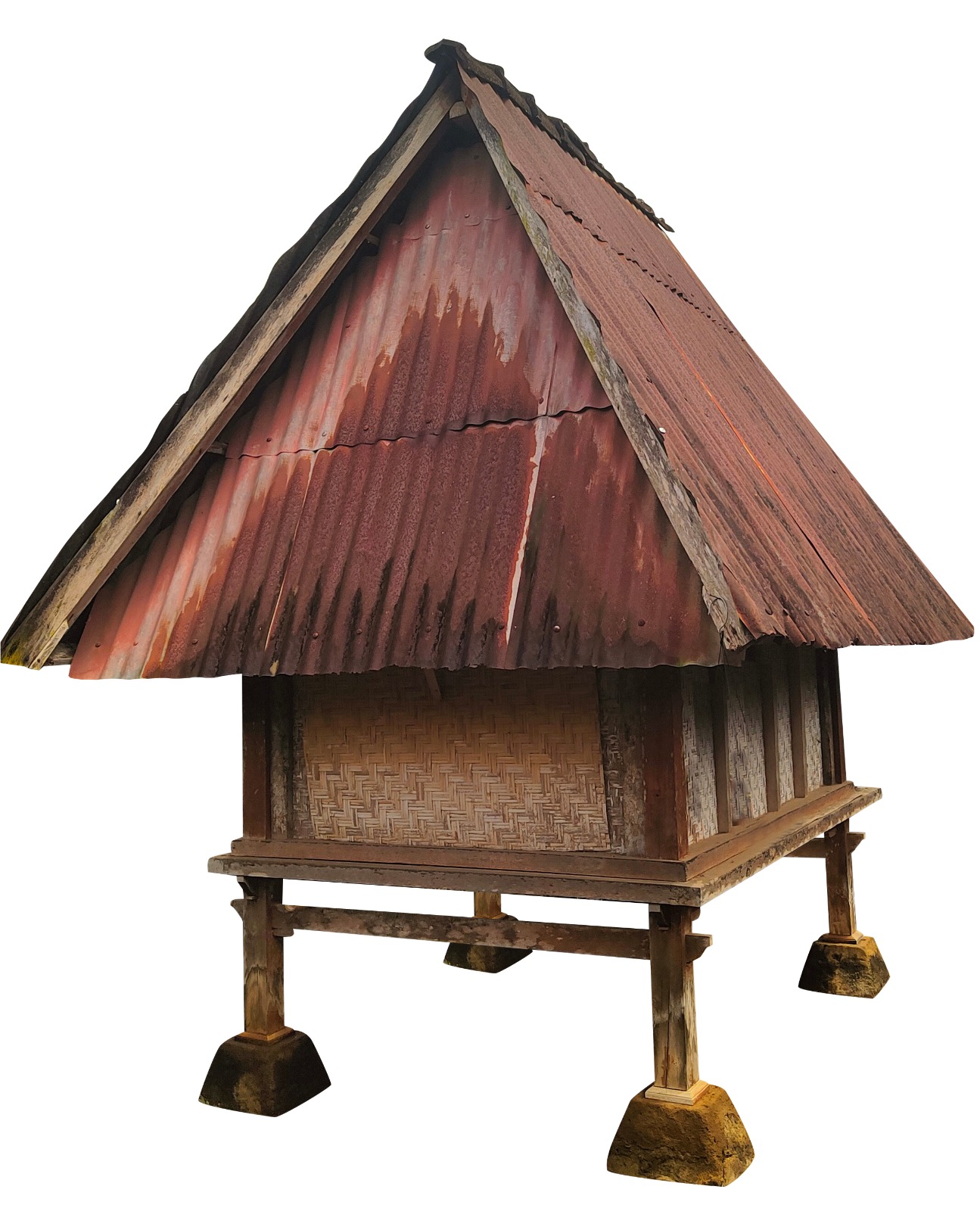
Glebeg/Lumbung
The glebeg, or traditional rice barn, is an important feature of the traditional house compound in Penglipuran Village
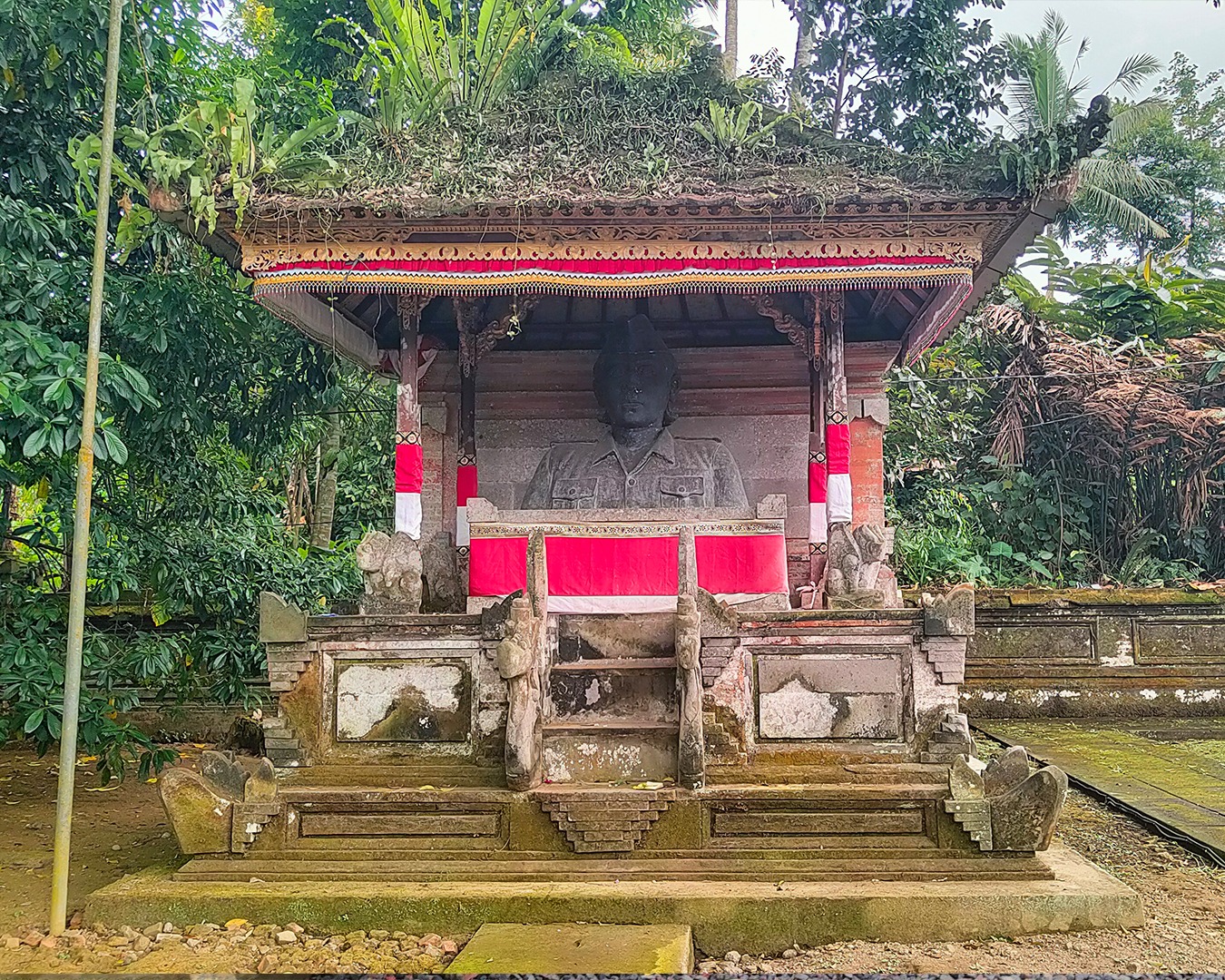
Heroes Cemetery Park
A park commemorating the struggle of Bangli's freedom fighters.
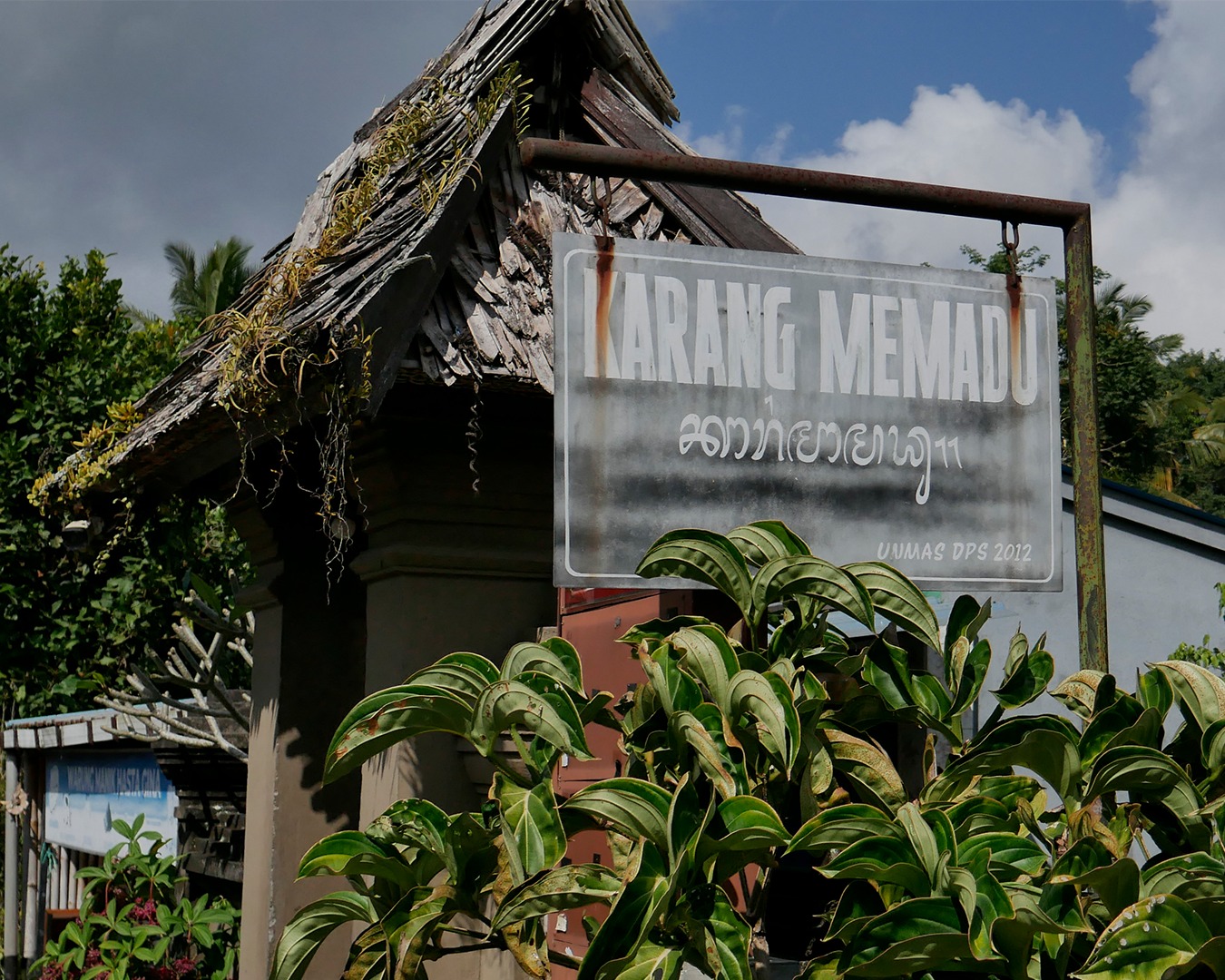
Karang Memadu
A special area reflecting Penglipuran's customary legal system.
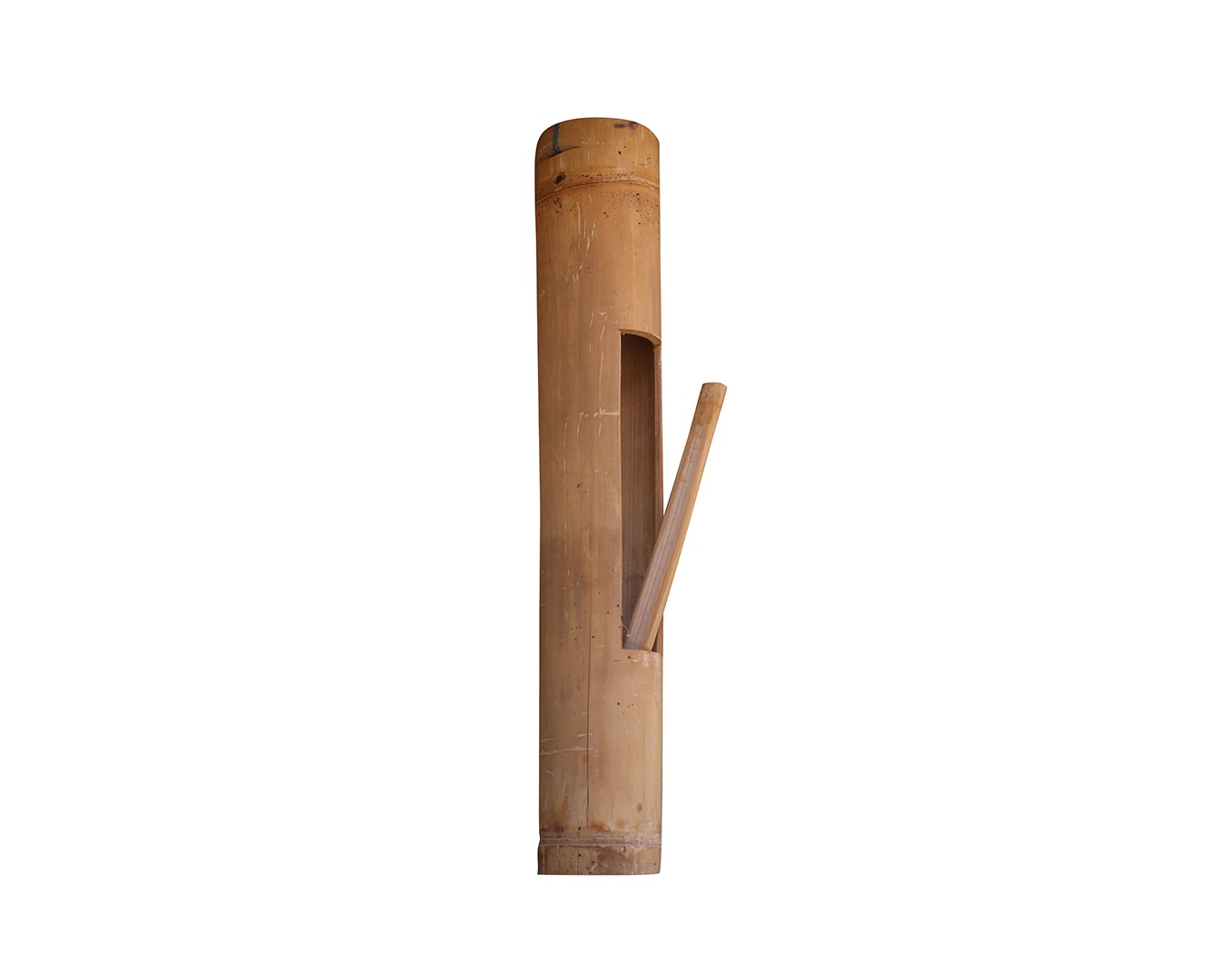
Kulkul
The kulkul is a traditional wooden or bamboo slit drum found in the family compounds of Penglipuran Village
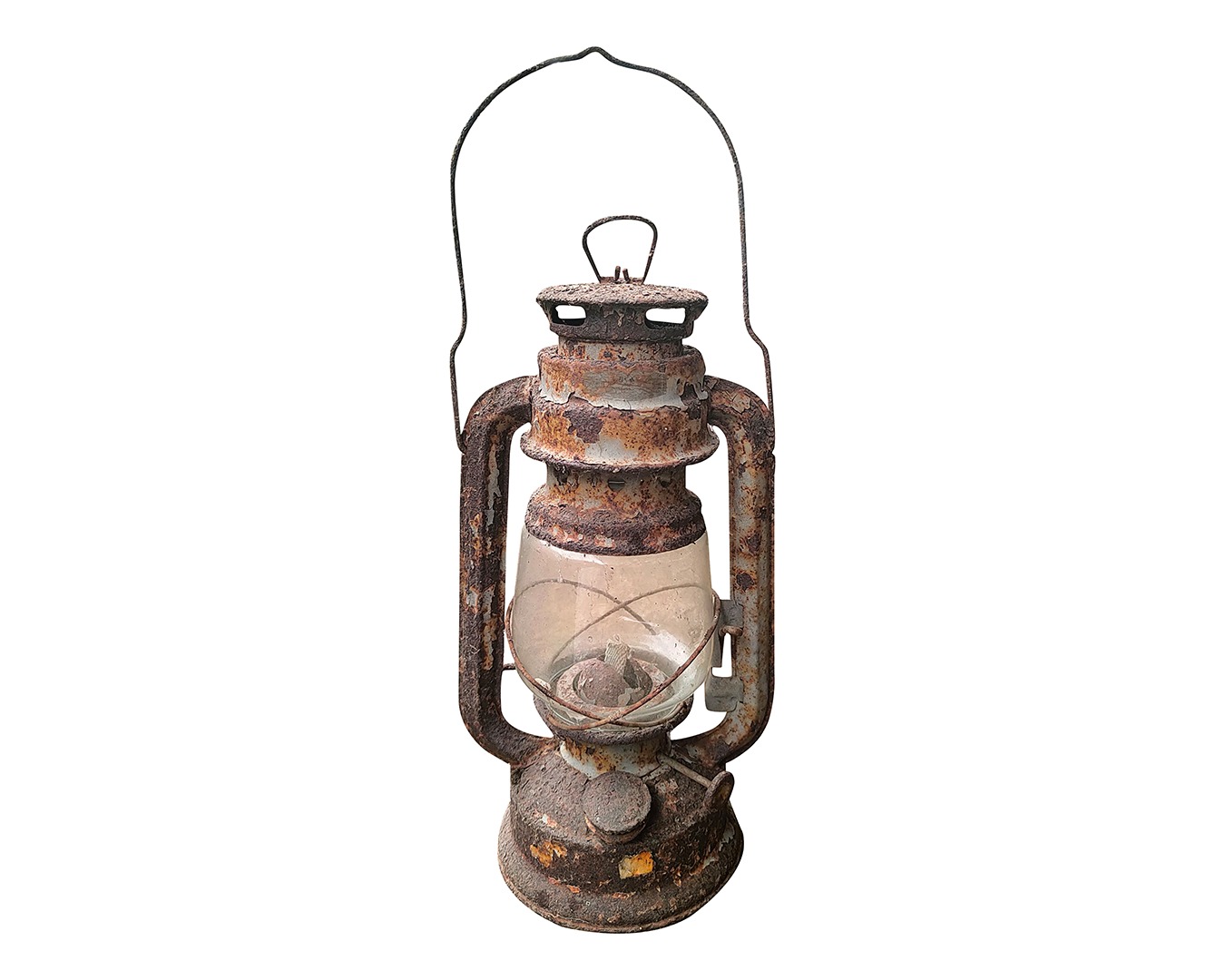
Lampu Sentir (Traditional Lamp)
The lampu sentir, or traditional oil lamp, is a simple lighting device that was widely used in Penglipuran Village before electricity became available
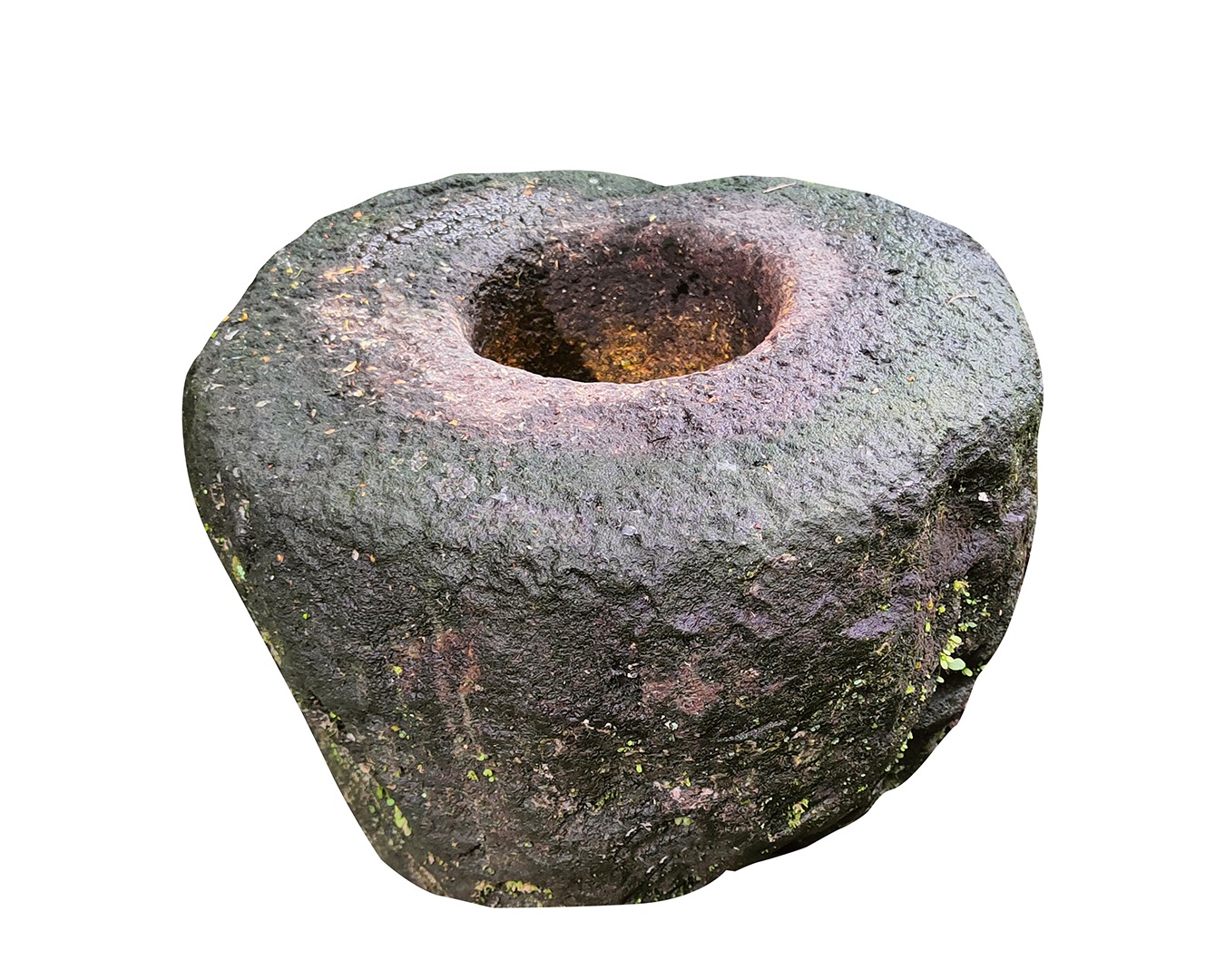
Lesung
The lesung is a traditional wooden mortar that was once widely used in Penglipuran Village to pound rice, grains, and other agricultural products
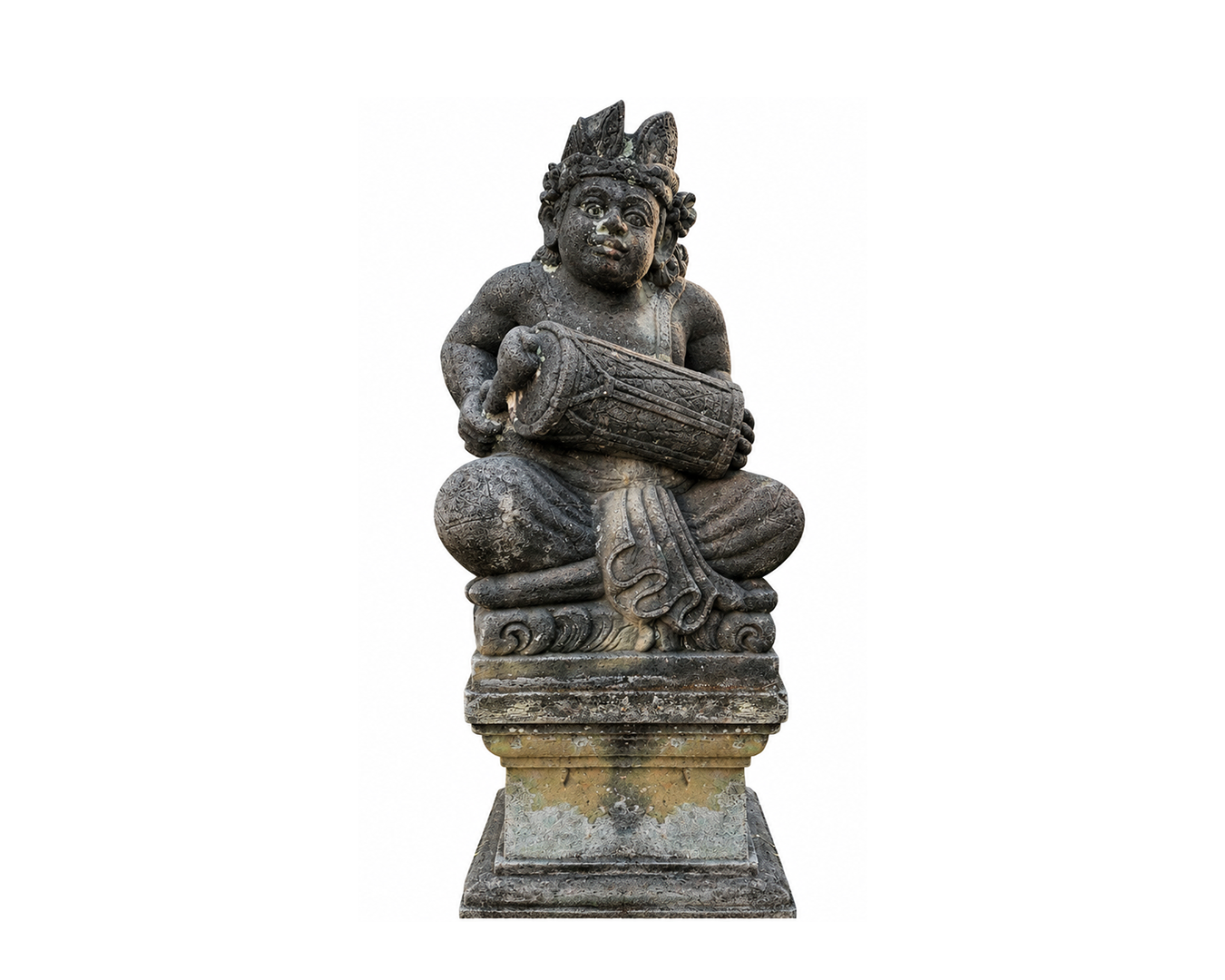
Makendang Statue
Makendang Statue
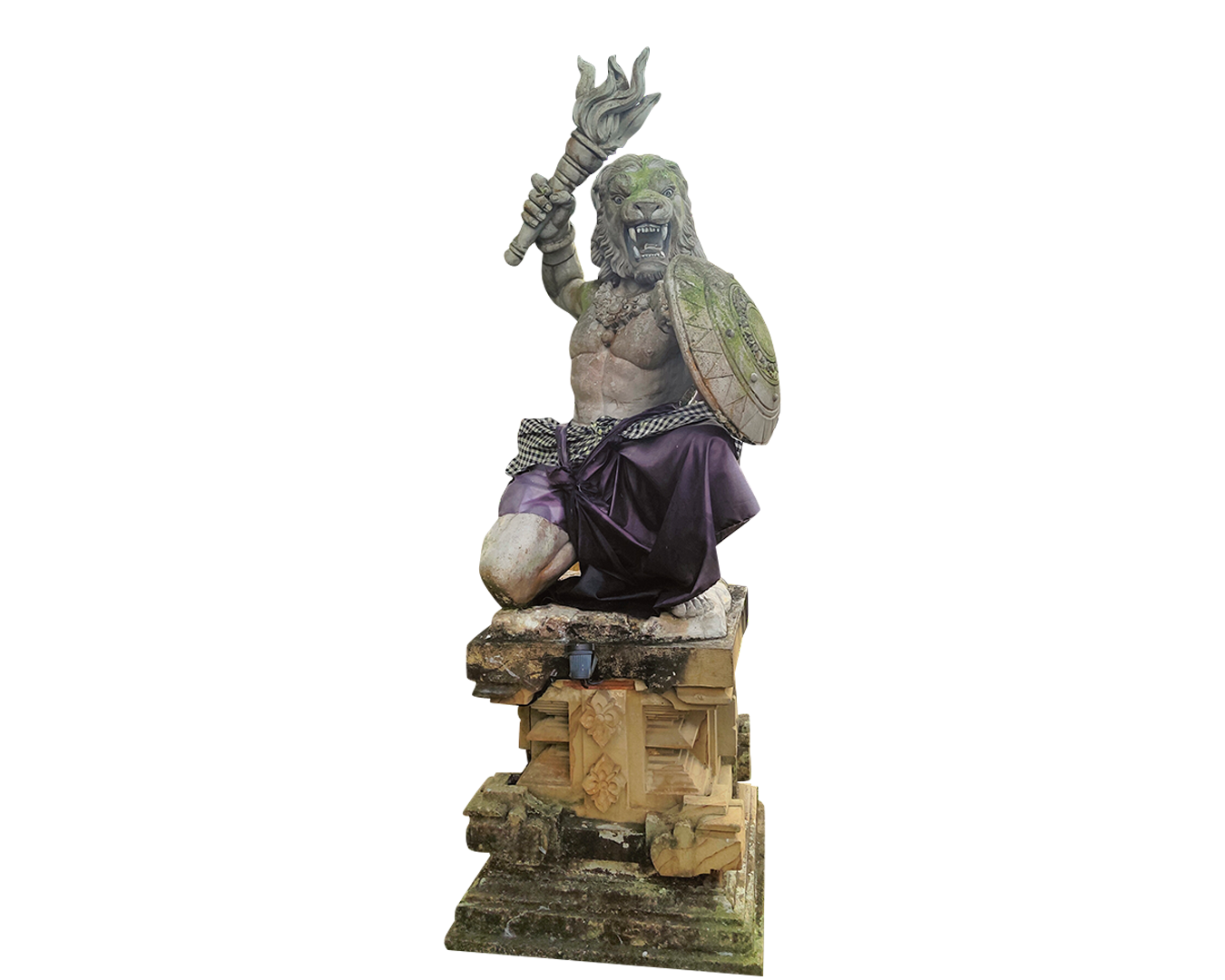
Narasimha Murti Statue 1
Narasimha Murti Statue 1
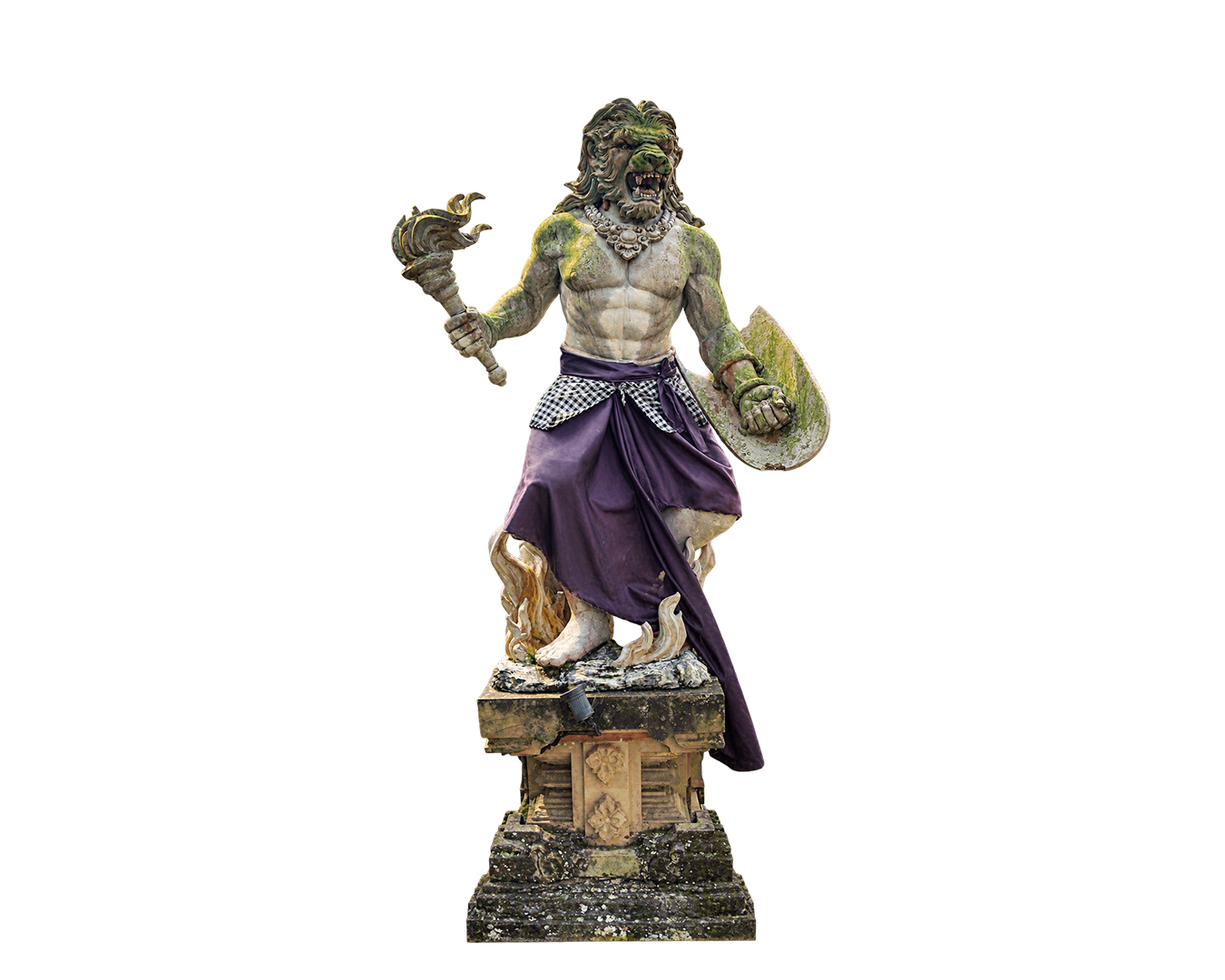
Narasimha Murti Statue 2
Narasimha Murti Statue 2
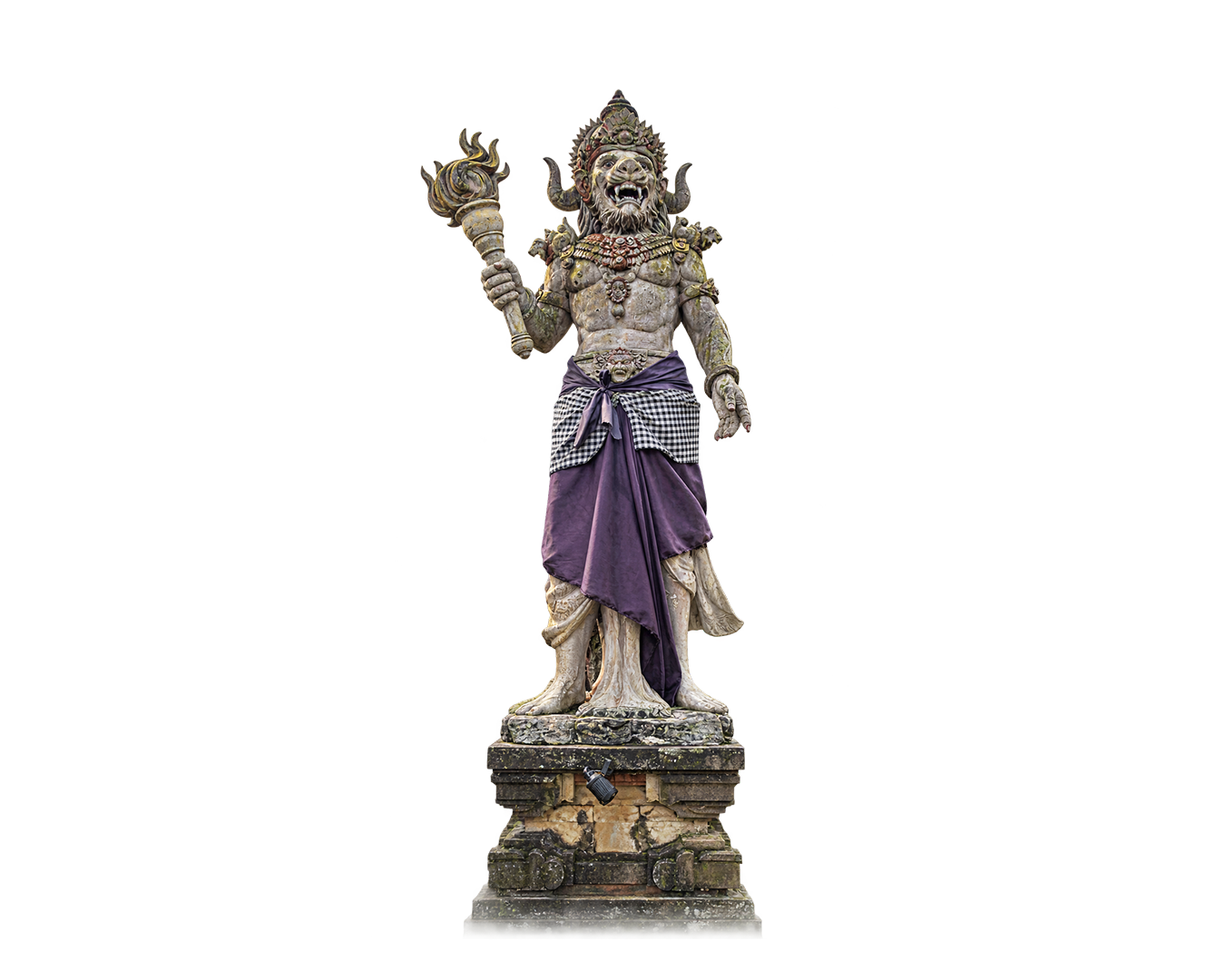
Narasimha Murti Statue 3
Narasimha Murti Statue 3
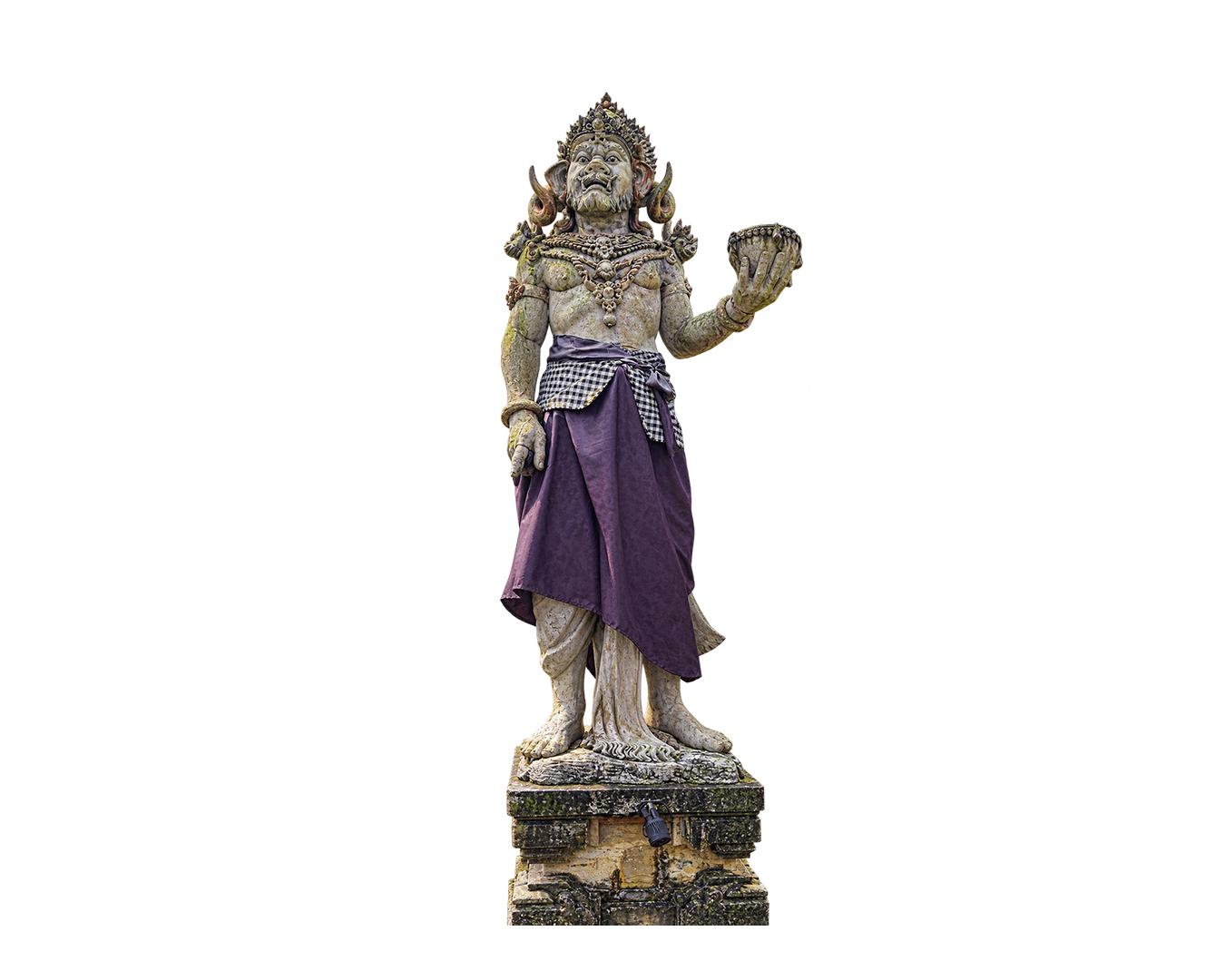
Narasimha Murti Statue 4
Narasimha Murti Statue 4
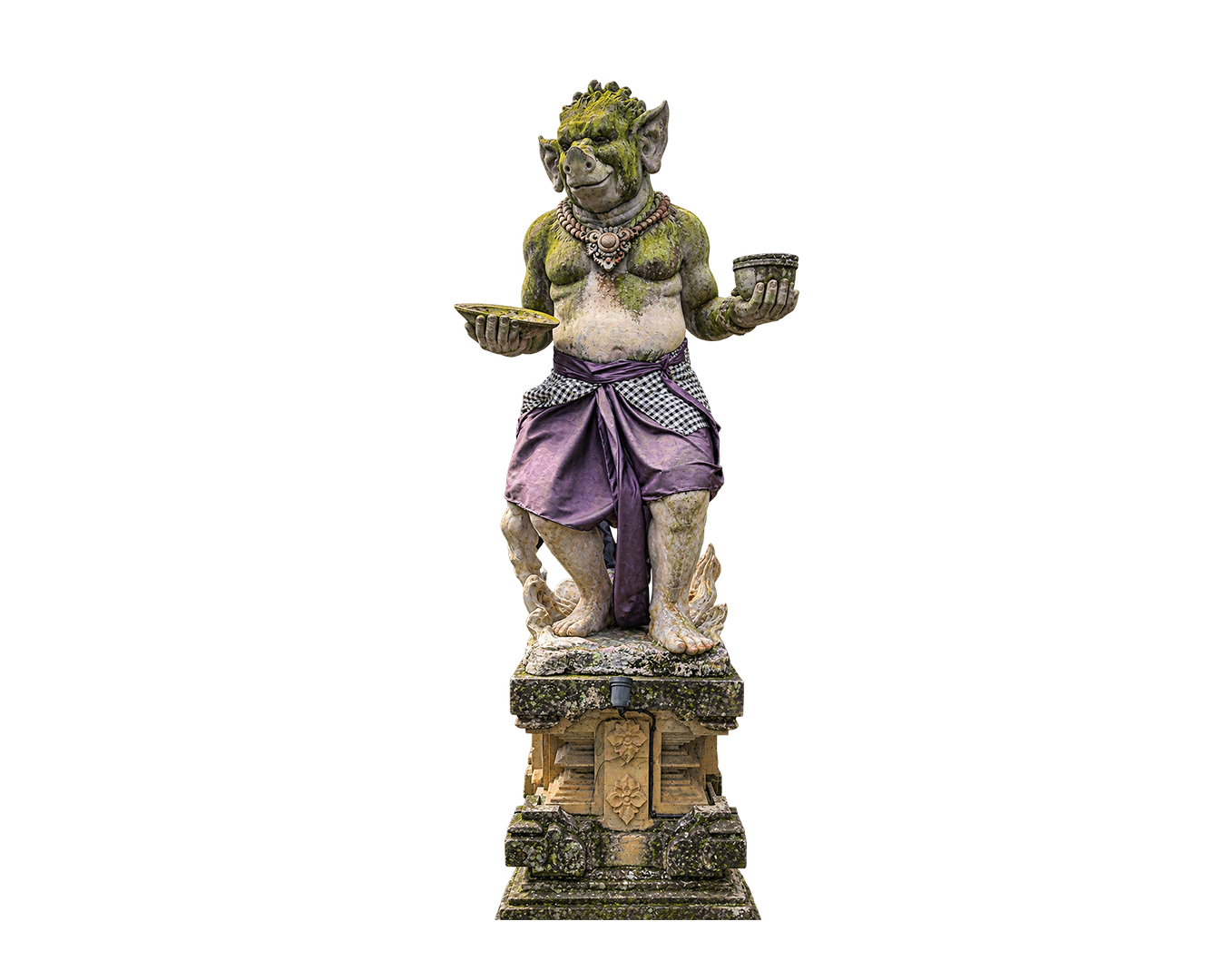
Narasimha Murti Statue 5
Narasimha Murti Statue 5
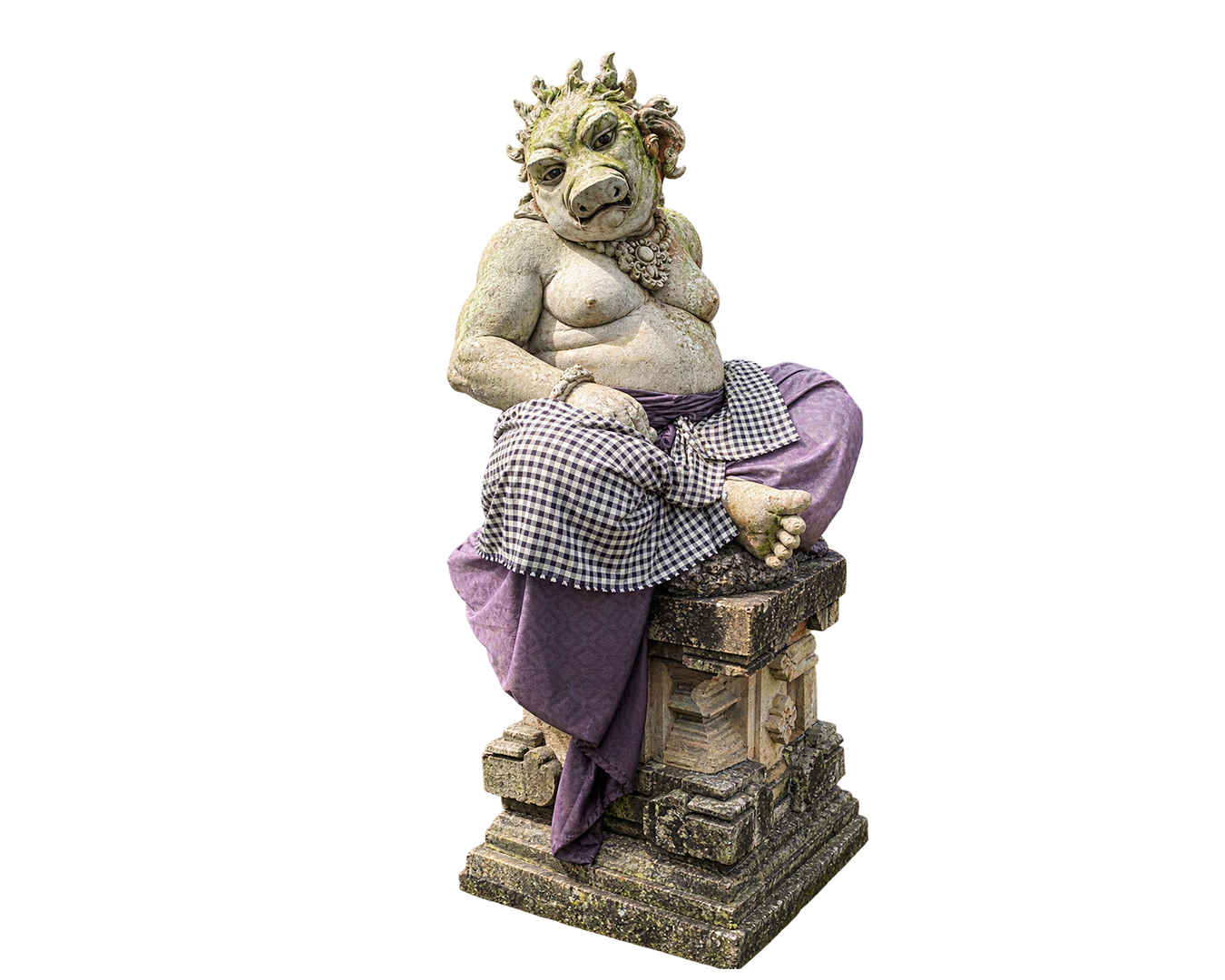
Narasimha Murti Statue 6
Narasimha Murti Statue 6
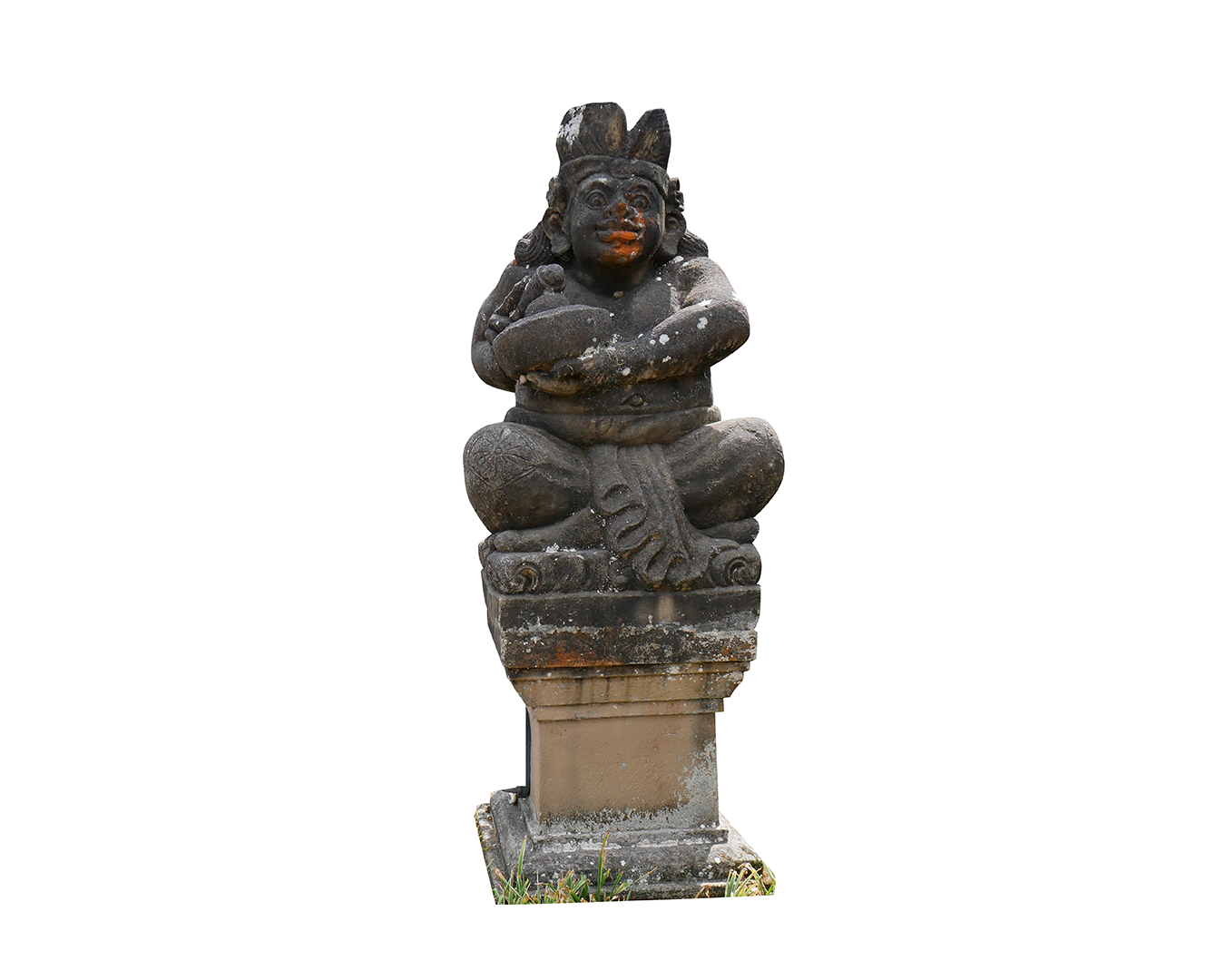
Ngereong Statue
Ngereong Statue
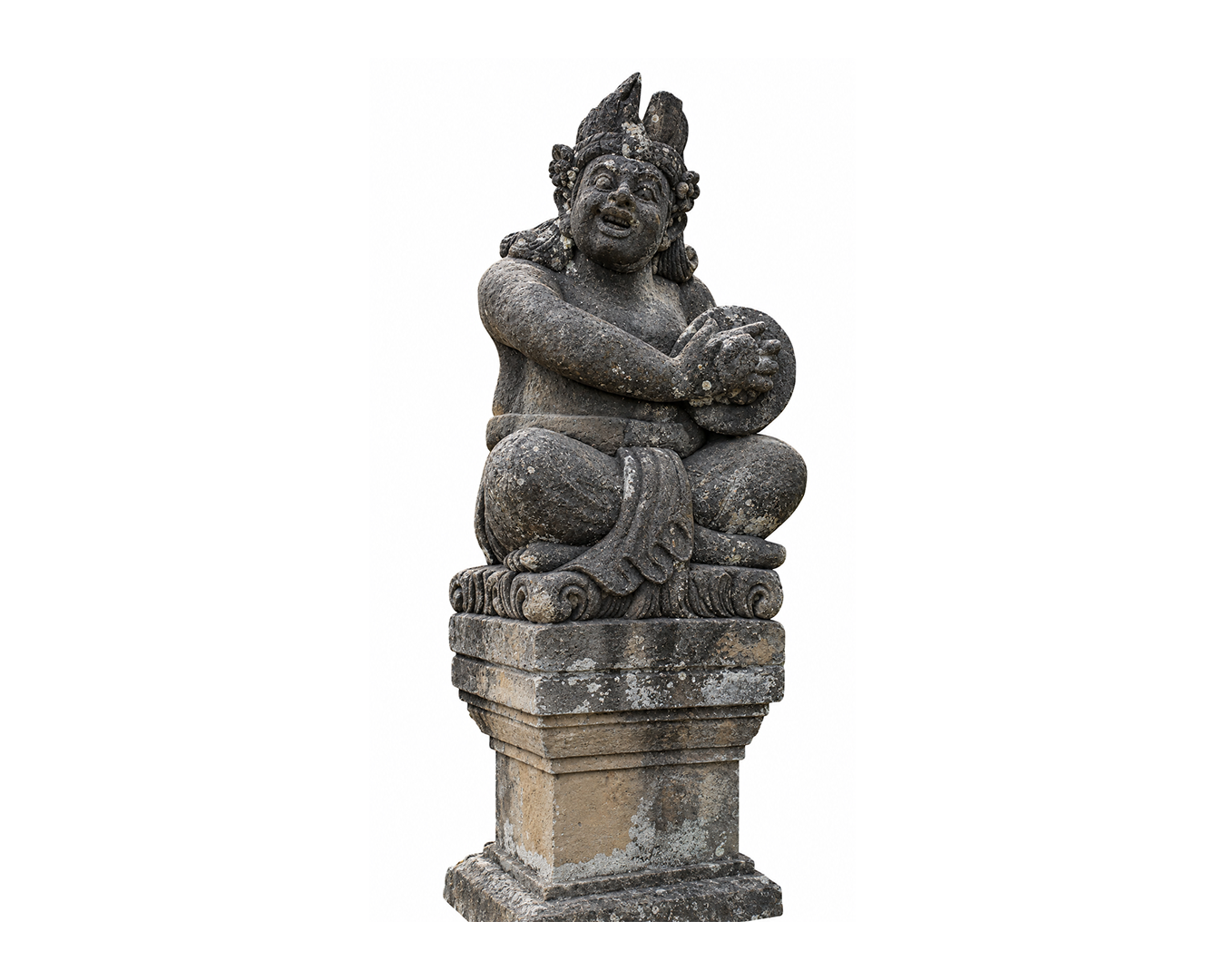
Nyenceng Statue
Nyenceng Statue
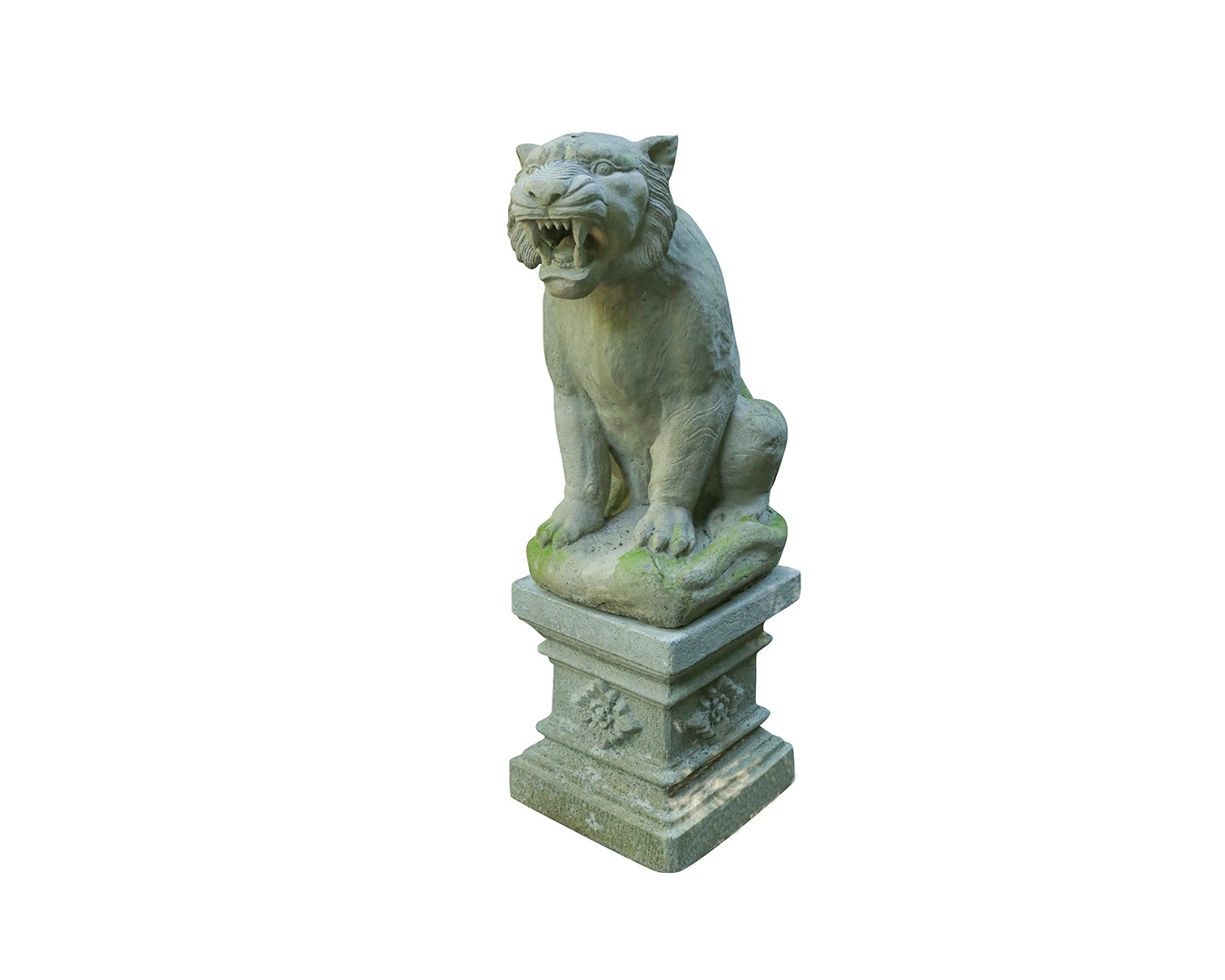
Patung Macan Bambu (Bamboo Tiger Statue)
Patung Macan Bambu (Bamboo Tiger Statue)
Pelinggih Patung Pahlawan
Pelinggih Patung Pahlawan
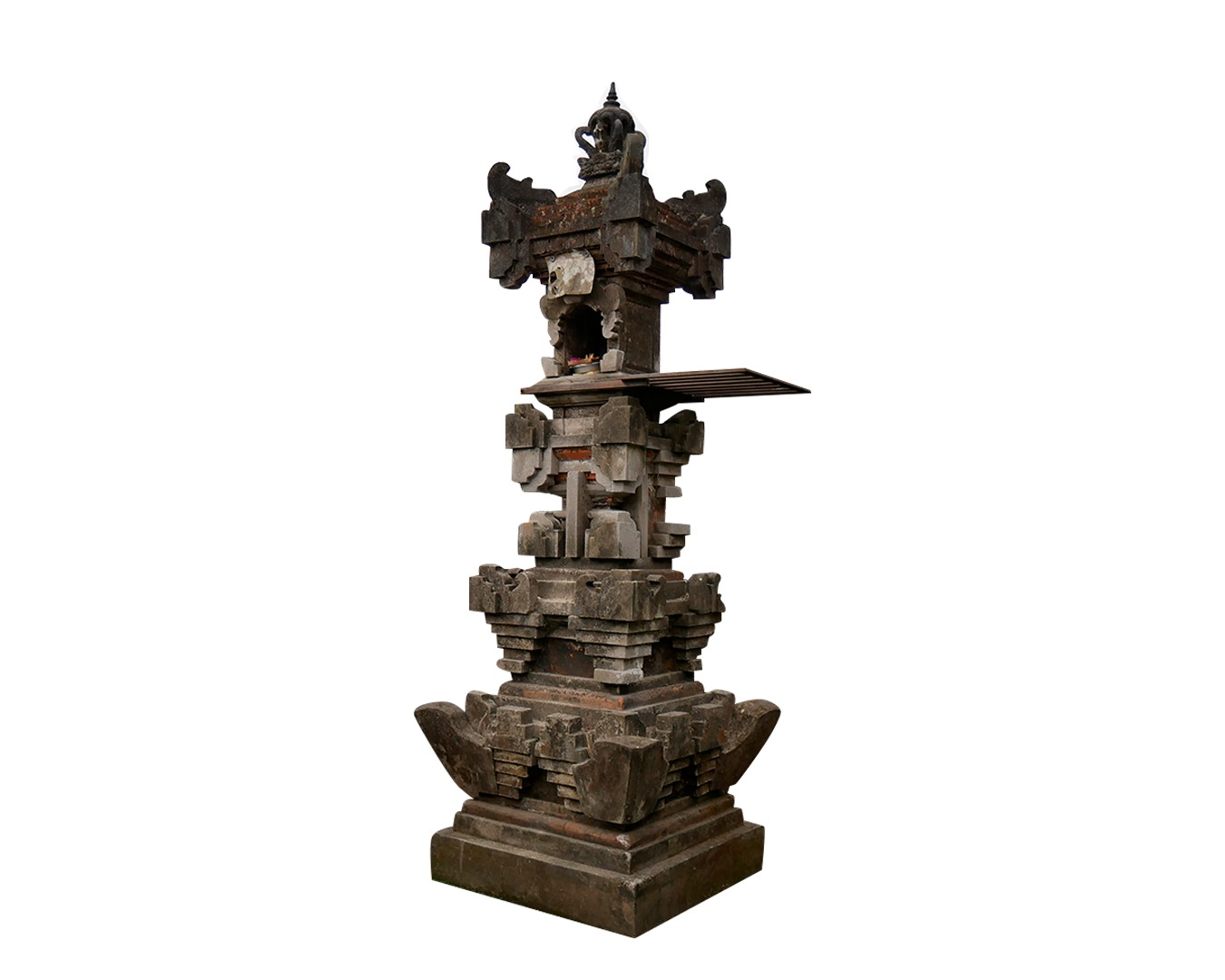
Pelinggih Penunggun Karang (Tugu Karang)
Pelinggih Penunggun Karang (Tugu Karang)
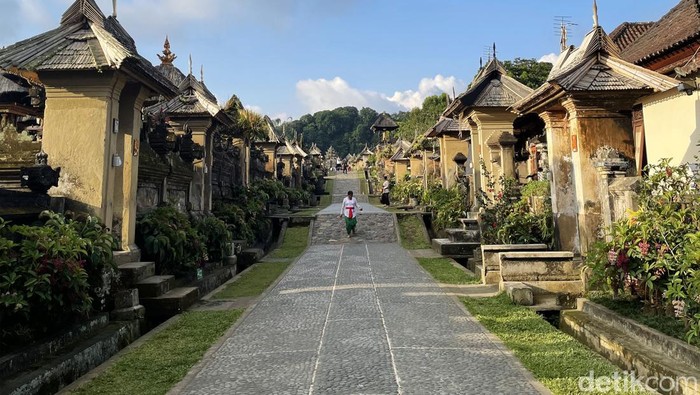
Penataran Temple
Decryption Test
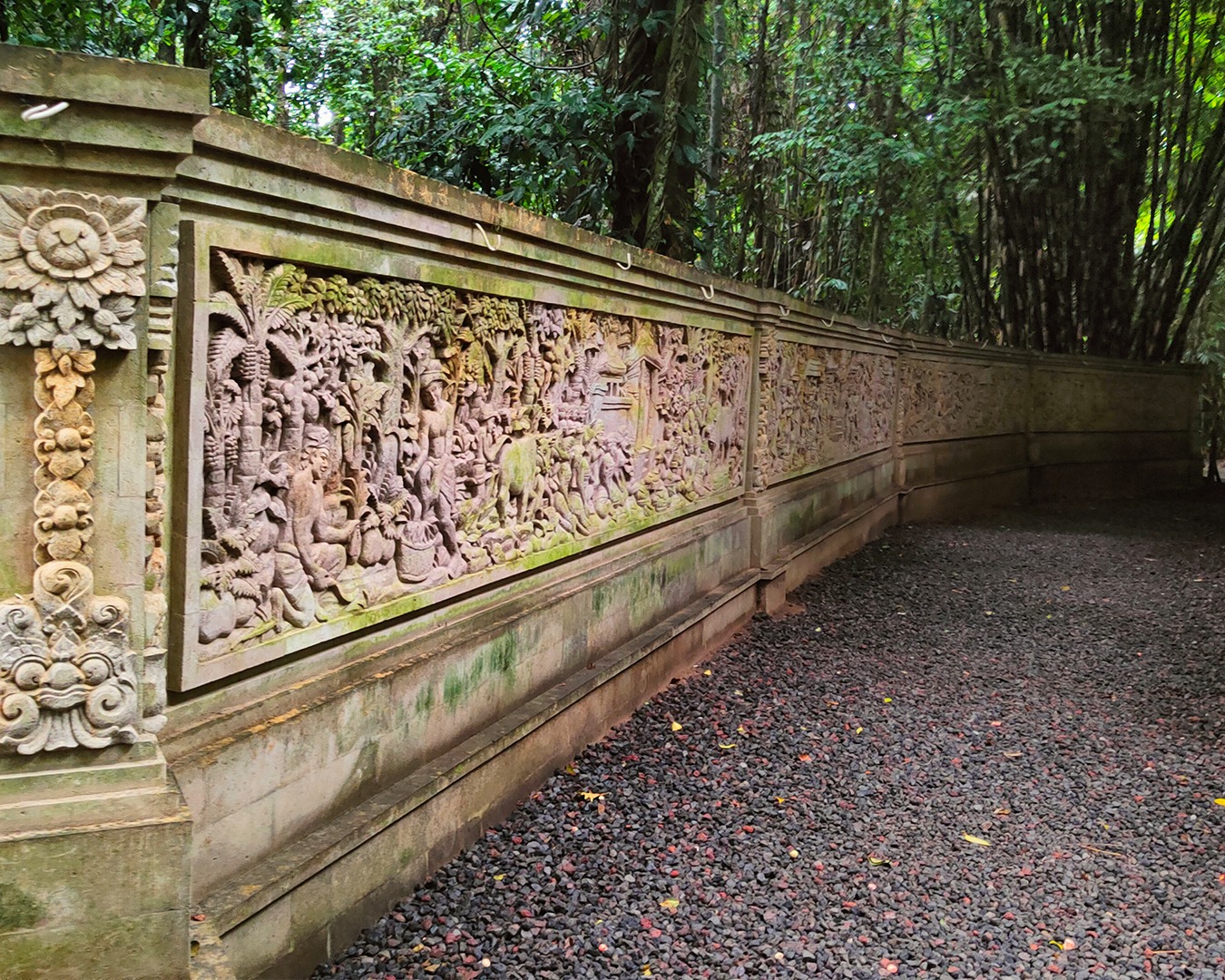
Penglipuran History Relief
A relief depicting the historical journey of Penglipuran Village.
Penglipuran Village Corridor
The village main street lined with angkul-angkul gates and traditional spatial layout.
Penglipuran Village Gate
The main entrance of Penglipuran Village, starting point of the Heritage Quest.
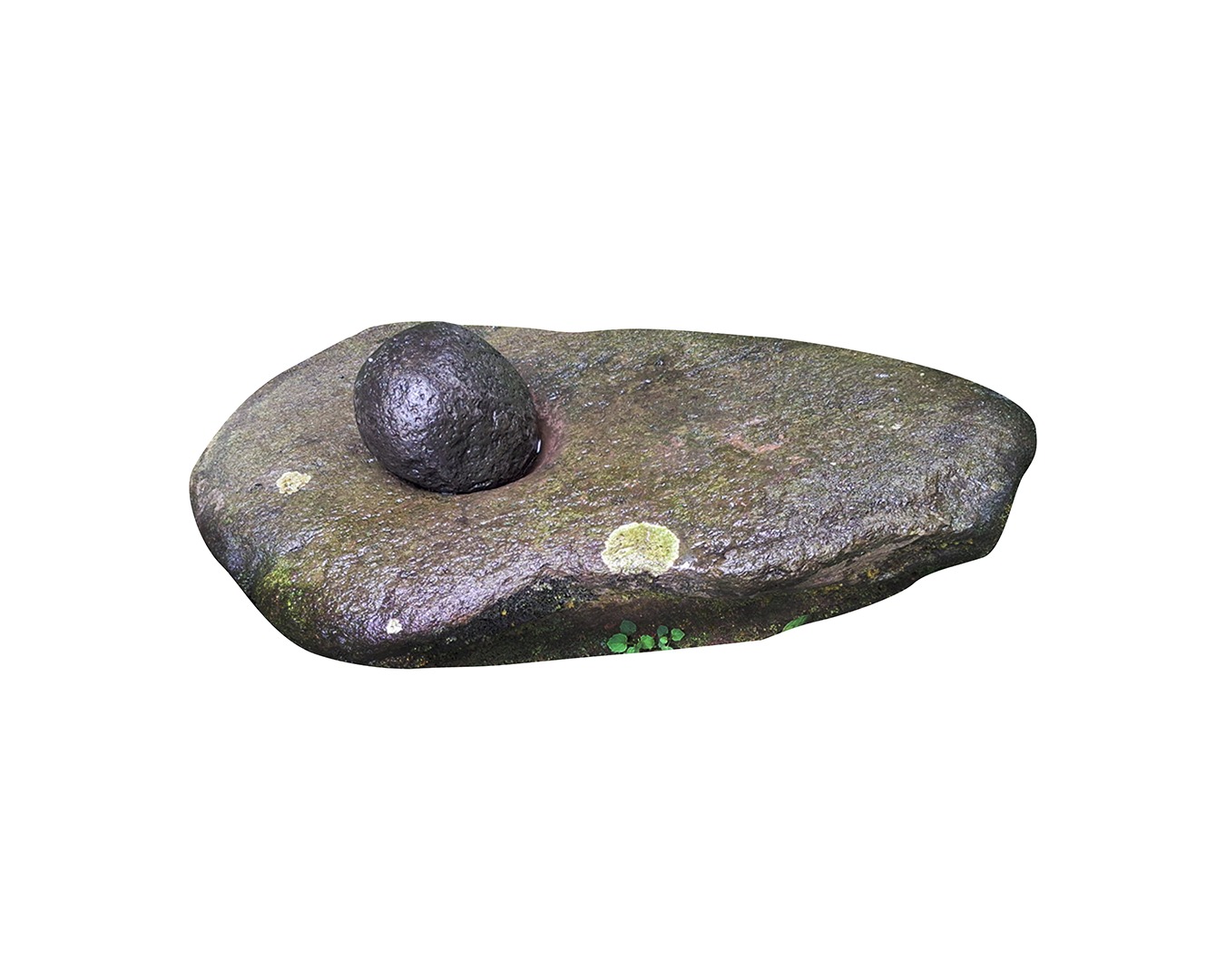
Penguligan
Penguligan
Puseh Temple
One of the principal temples in Penglipuran Village, Bangli, Bali
Ratu Pingit Temple
Symbol of the village reminder and ancestors.
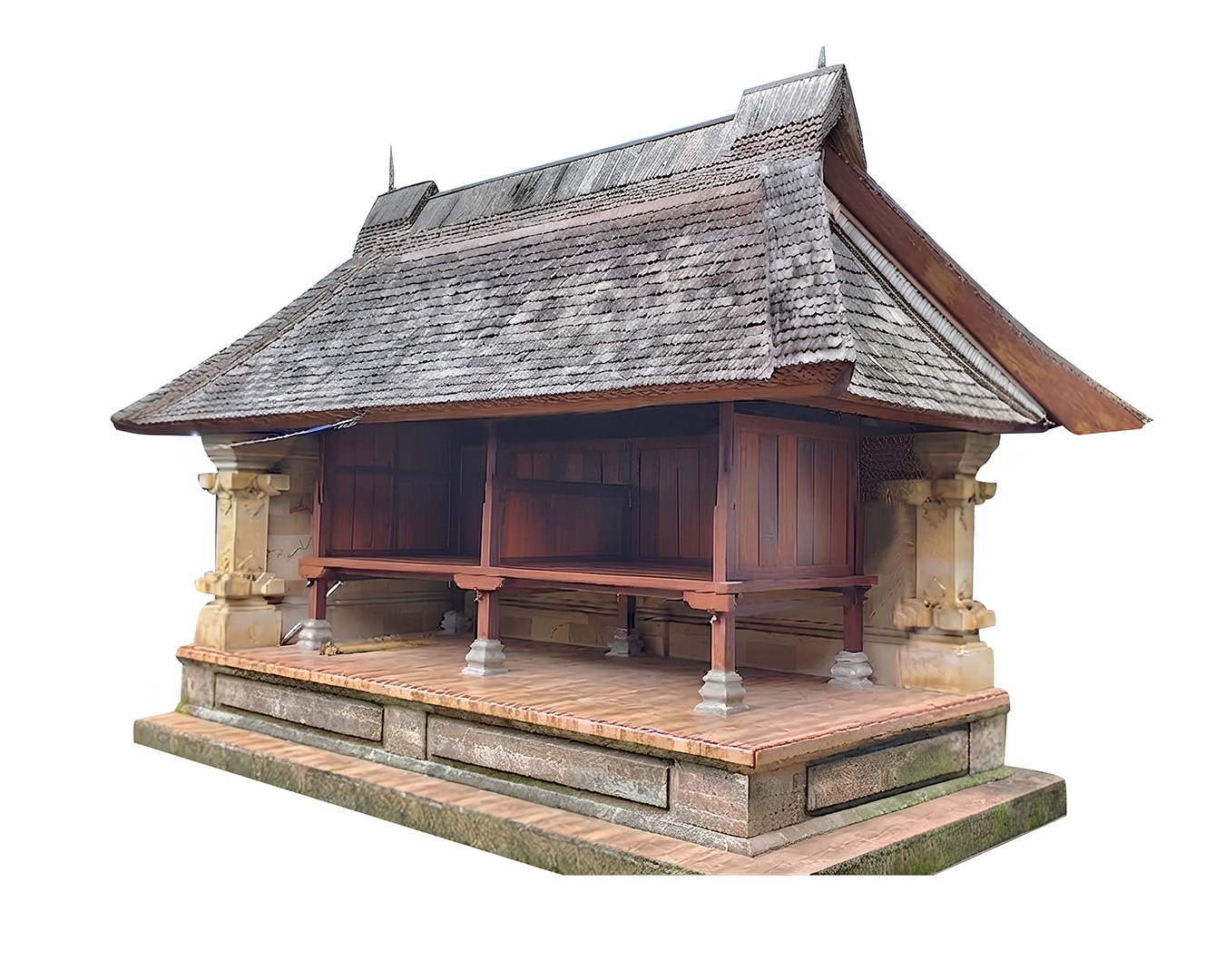
Saka Enam
The Saka Enam is a traditional pavilion found within the Balinese house compounds of Penglipuran Village
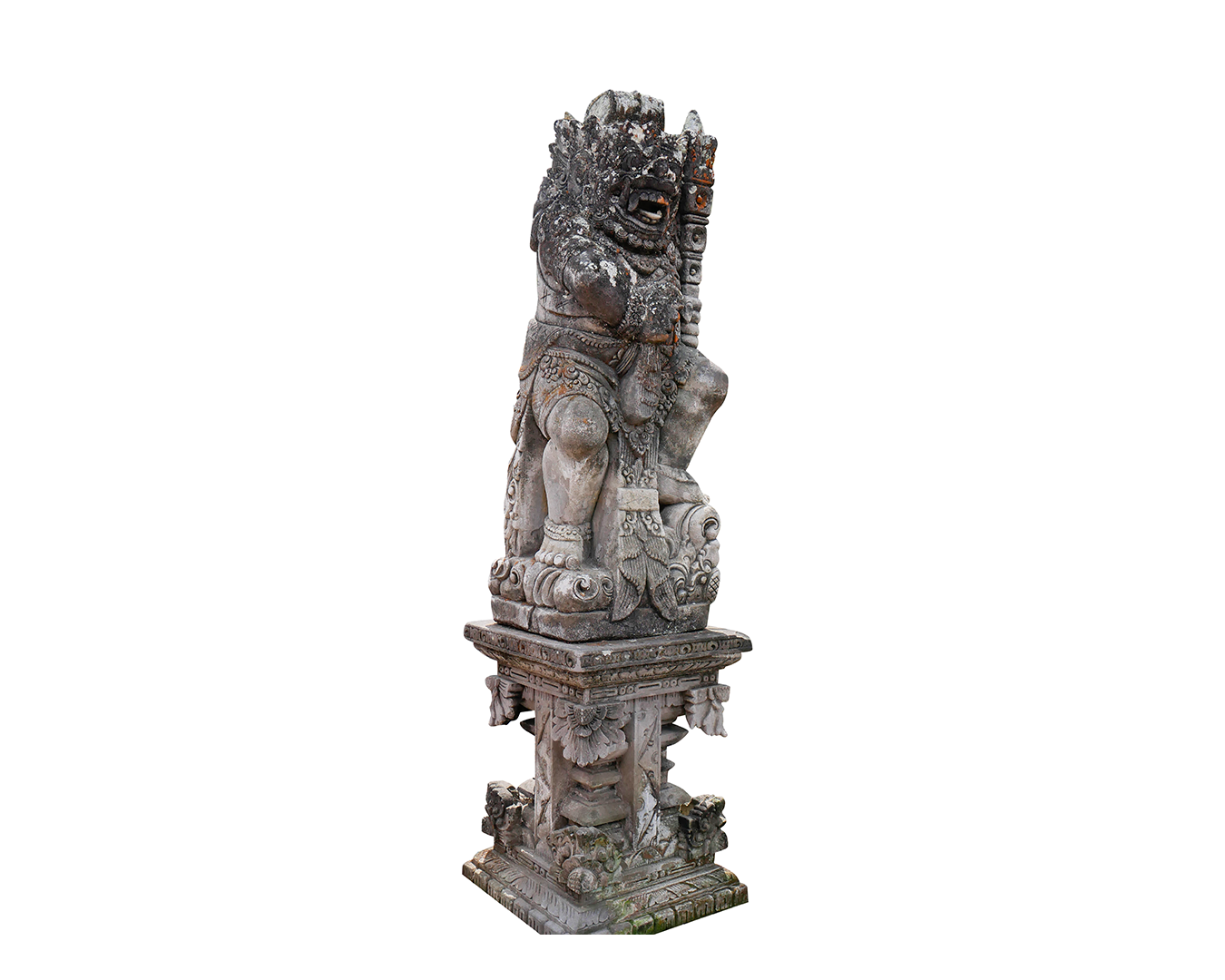
Square Mace Bedogol Statue
Square Mace Bedogol Statue
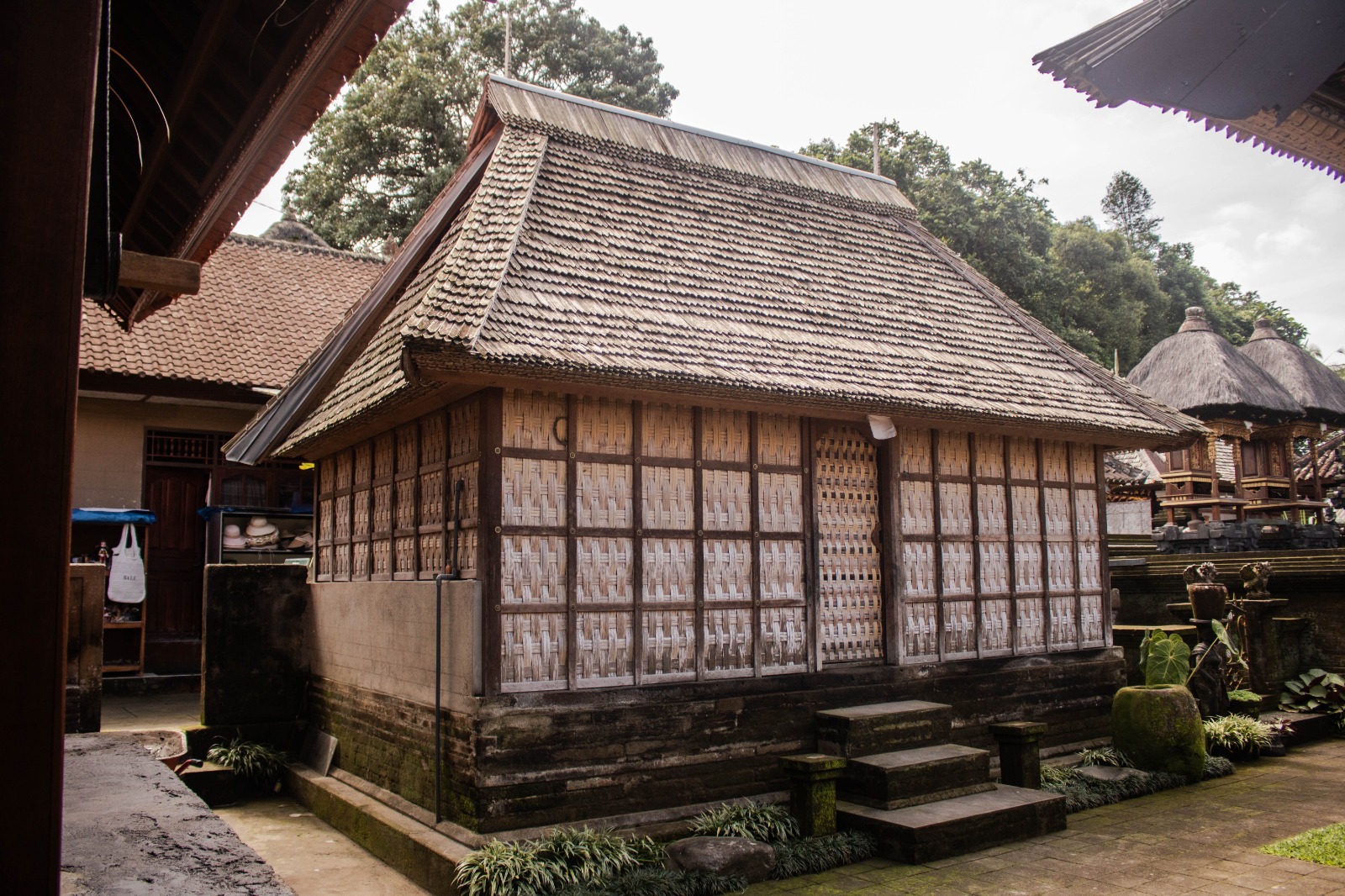
Traditional House Kitchen (Paon)
The traditional Balinese kitchen where Penglipuran's signature dishes are cooked.
Traditional House Merajan
The ancestral shrine found in every traditional Balinese home.
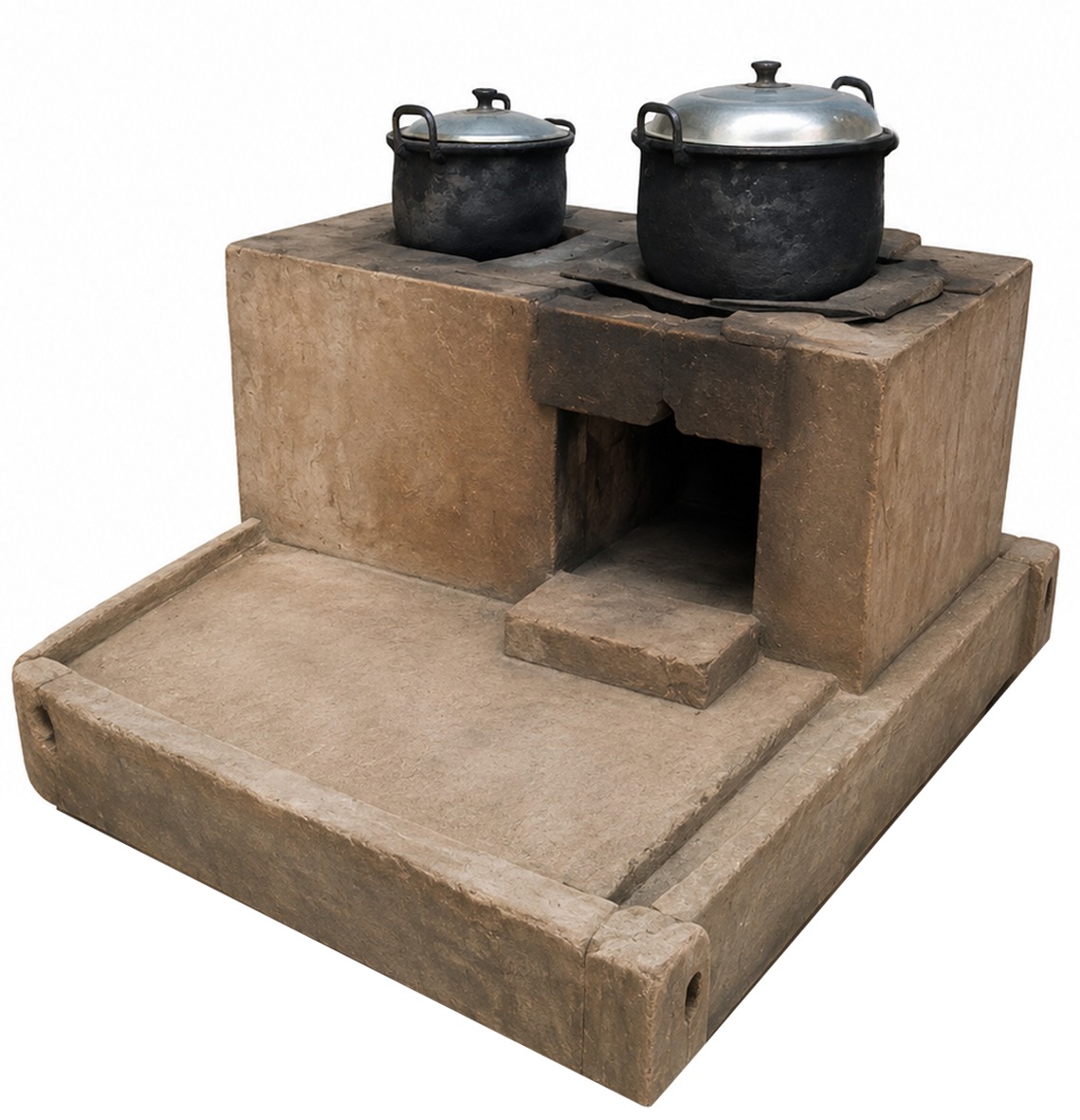
Traditional Stove
The traditional stove in Penglipuran Village is an integral part of the paon, or traditional Balinese kitchen, where it has been used for generations to prepare daily meals